
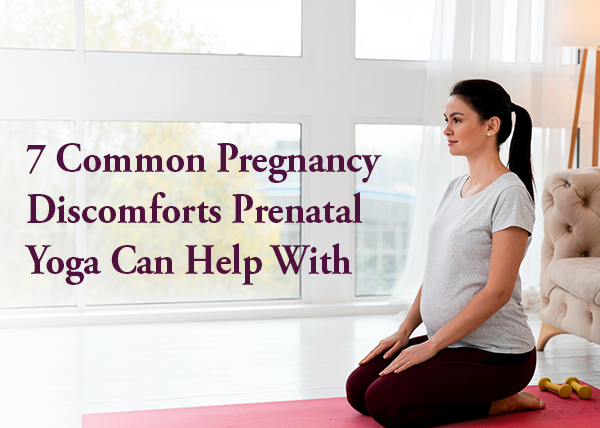
7 Common Pregnancy Discomforts Prenatal Yoga Can Help With

Introduction
Pregnancy is one of the most meaningful experiences in a woman’s life, but let us be honest it also comes with a long list of physical and emotional challenges. From the early weeks of nausea and fatigue to the later months of back aches and sleepless nights, your body goes through a tremendous amount of change in a very short period of time.
The good news is that prenatal yoga has been helping expecting mothers manage these everyday discomforts for a very long time. It is not a trendy fitness routine. It is a well-supported, gentle, and thoughtful practice that meets you exactly where you are whether you are in your first trimester, your third, or even planning your pregnancy.
At Canada Yoga Studio, based in Coral Springs, Calgary, Pallavi and her team have designed a prenatal yoga program specifically to support mothers from all over the world. With live sessions, personalized scheduling, and a nurturing community, the studio has helped countless women feel stronger, calmer, and more prepared for birth and motherhood.
In this blog post, we will walk through seven of the most common pregnancy discomforts and explain exactly how prenatal yoga can help with each one. If you have been on the fence about starting a practice, keep reading this may be the sign you have been waiting for.
1. Lower Back Pain
Lower back pain is one of the most talked-about discomforts during pregnancy, and for good reason. As your baby grows, your centre of gravity shifts forward. Your lower back starts to compensate by arching more than usual, which places extra pressure on the muscles and joints in that area. On top of that, a hormone called relaxin begins to loosen your ligaments in preparation for birth which, while necessary, can leave your back feeling less stable.
How Prenatal Yoga Helps
Prenatal yoga uses slow, mindful movements to gently stretch and strengthen the muscles around the lower back, hips, and core. This helps take the pressure off your spine without any impact or strain.
Some of the most helpful poses for lower back pain include:
- Cat-Cow (Marjaryasana-Bitilasana): This gentle spinal movement increases flexibility along the spine and relieves tension in the lower back almost immediately.
- Modified Child’s Pose (Balasana): With knees spread wide to accommodate your bump, this stretch gently lengthens the lower back and creates space between the vertebrae.
- Supported Bridge Pose: With a block or bolster under the hips, this pose gently opens the hip flexors while relaxing the lower back muscles.
In the prenatal yoga program at Canada Yoga Studio, trimester-specific asana sessions are built around exactly these types of movements. You are never pushed into poses that strain your body. Everything is adapted to what your body needs at each stage of your pregnancy.
Regular practice even two to three times a week can make a significant difference in how your back feels day to day.
2. Morning Sickness and Nausea
Despite the name, morning sickness can show up at any time of day. For some women, it is mild. For others, it makes even getting out of bed feel like a challenge. Nausea in early pregnancy is largely related to hormonal changes, particularly rising levels of hCG (human chorionic gonadotropin), and it usually eases after the first trimester though not always.
How Prenatal Yoga Helps
While yoga cannot change your hormone levels, it can work in a few indirect but genuinely helpful ways:
- Breathing practices (pranayama) help activate the parasympathetic nervous system your body’s rest-and-digest state. This can calm an unsettled stomach and reduce the nausea response.
- Gentle movement encourages better digestion and reduces the sluggishness that often makes nausea worse.
- Specific seated and supported poses allow you to move your body without jarring motions or positions that trigger queasiness.
Slow, deep nasal breathing particularly Nadi Shodhana (alternate nostril breathing) is a technique taught in prenatal yoga that many women find incredibly settling when nausea strikes.
In the 7-Day Prenatal Yoga & Meditation Retreat offered by Canada Yoga Studio, Day 3 focuses specifically on pranayama and meditation techniques designed to bring calm and physical ease. These breathing tools can become part of your daily toolkit throughout pregnancy.
3. Swollen Feet and Ankles
Swelling in the feet, ankles, and legs medically known as oedema is incredibly common during pregnancy. It happens because your body is holding more fluid than usual, and the growing uterus puts pressure on the veins that return blood from your lower body back to your heart. You will likely notice it more toward the end of the day or in warmer weather.
How Prenatal Yoga Helps
Prenatal yoga supports circulation and lymphatic flow through gentle movement and positioning, which helps reduce fluid buildup in the lower limbs.
Helpful practices include:
- Legs-up-the-wall pose (Viparita Karani): Even a modified version of this restorative pose, using a wall or bolster for support, encourages fluid to move away from the feet and legs and back toward the heart.
- Ankle rotations and foot flexing: Simple, gentle movements practiced during a yoga session keep the blood moving and prevent fluid from pooling.
- Standing poses with proper alignment: Poses like warrior variations encourage full-body circulation without putting strain on swollen joints.
The key is consistency. Even a 20- to 30-minute session a few times a week can make a visible difference in how much your ankles swell by the end of the day.
4. Shortness of Breath
As your uterus grows, it pushes upward into the diaphragm the dome-shaped muscle below your lungs that controls breathing. By the third trimester especially, many women find they run out of breath just walking up stairs or even finishing a sentence. It can feel alarming, but it is usually completely normal.
How Prenatal Yoga Helps
This is one area where prenatal yoga truly shines. The entire practice is built around breath awareness, and learning to breathe more efficiently can have a direct impact on how breathless you feel during everyday activities.
Here is what makes the difference:
- Diaphragmatic breathing: Learning to breathe deeply into the lower lungs rather than taking shallow chest breaths helps you make better use of the lung capacity you do have.
- Rib-expanding breathing techniques: Some pranayama practices focus on opening the side ribs, which creates a bit more room for the lungs even when the diaphragm is under pressure.
- Posture awareness: Rounded shoulders and a collapsed chest make shortness of breath much worse. Prenatal yoga regularly works on opening the chest and lengthening the spine, which gives your lungs more room to expand.
At Canada Yoga Studio, the breathing techniques taught are specific to pregnancy needs. Day 3 of the 7-day retreat is dedicated entirely to pranayama and meditation, giving you practical tools you can use any time your breath feels tight or restricted.
5. Trouble Sleeping
Sleep disturbances during pregnancy are very common, and they are not just about physical discomfort though that certainly plays a role. Growing a baby means your body is working hard around the clock, which can make it difficult to wind down at night. A busy, worried mind does not help either.
Physical contributors to poor sleep include:
- Difficulty finding a comfortable position
- Frequent urination
- Leg cramps
- Heartburn
- General restlessness
How Prenatal Yoga Helps
Prenatal yoga works on both the physical and mental causes of sleeplessness. Here is how:
- Restorative poses done in the evening like supported side-lying savasana or a gentle reclined butterfly help release physical tension and signal to the body that it is time to rest.
- Yoga Nidra, which is a guided body-scan meditation, is one of the most powerful tools for sleep. It guides you into a state between waking and sleeping, deeply relaxing the nervous system. This is covered on Day 7 of the Canada Yoga Studio retreat.
- Guided meditation and breathing before bed calm a busy mind and lower cortisol levels, making it easier to fall asleep and stay asleep.
Many women who practice prenatal yoga regularly report that even when sleep is interrupted, the quality of the sleep they do get feels deeper and more restorative. When you feel truly rested even for a few hours it makes a huge difference to how you function the next day.
6. Anxiety and Emotional Stress
Pregnancy brings a lot of joy, but it also brings a lot of worry. Will the baby be healthy? Will birth go smoothly? Am I eating the right things? Am I doing enough? These thoughts are completely natural, but when they pile up, they can leave you feeling overwhelmed, anxious, and emotionally exhausted.
Many women also experience mood swings due to fluctuating hormones, which can make everyday challenges feel much bigger than they are.
How Prenatal Yoga Helps
Prenatal yoga is not just physical exercise. It is a mind-body practice, and this is where it offers some of its most meaningful benefits.
- Breathwork directly influences the nervous system. When you breathe slowly and deliberately, your heart rate slows, your blood pressure drops, and your brain receives a signal that everything is okay. This is not just a theory it is a measurable physiological response.
- Meditation builds mental resilience. Regular guided meditation helps you observe anxious thoughts without getting swept away by them. Over time, this changes how you respond to stress.
- Community and connection. Practicing in a group even virtually creates a sense of being held and understood. Knowing that other women are on the same journey as you can be incredibly comforting.
- The mind-body connection. When you move your body with intention and breathe with awareness, you develop a deeper relationship with yourself and your baby. Many women find this helps them feel more grounded and trusting in the process.
The prenatal yoga program at Canada Yoga Studio was designed with exactly this in mind. With WhatsApp support between sessions and a global community of expecting mothers, you are never on your own. You can reach out to Pallavi and the studio team any time you have questions or need support.
7. Pelvic Pressure and Hip Discomfort
As your baby descends lower into your pelvis during the later stages of pregnancy, many women experience a feeling of heaviness or pressure in the pelvic region. Hip pain and sciatic nerve discomfort that shooting pain down the back of the leg are also very common.
These sensations are caused by the baby’s weight pressing on nerves and joints, combined with the loosening effects of relaxin on your pelvic ligaments.
How Prenatal Yoga Helps
The hips and pelvis are central to prenatal yoga. Much of the practice is designed to gently open, strengthen, and stabilize this area which directly addresses both the discomfort and the underlying causes.
Key elements include:
- Hip-opening poses: Movements like a modified pigeon pose, butterfly pose, and deep side stretches help release tension in the hip flexors and outer hips, reducing pressure on the pelvis.
- Pelvic floor exercises: Strengthening the pelvic floor supports the weight of the baby and can reduce pelvic pain significantly. This is taught in a mindful, connected way in prenatal yoga not just as isolated kegel exercises.
- Piriformis stretches: These target the piriformis muscle, which runs close to the sciatic nerve. When this muscle is tight, it aggravates sciatica. Gentle stretching relieves that pressure.
- Yoga Nidra and deep relaxation: Learning to consciously release tension in the pelvic area is a skill that also prepares your body for labor.
Day 7 of the 7-Day Prenatal Yoga & Meditation Retreat at Canada Yoga Studio is dedicated entirely to pelvic floor strengthening and restorative yoga Nidra two of the most effective tools for managing pelvic and hip discomfort in late pregnancy.
How Prenatal Yoga Supports Your Whole Pregnancy Journey
One thing that makes prenatal yoga different from general pregnancy exercise is that it is trimester-aware. What your body needs in the first trimester is very different from what it needs in the third. A good prenatal yoga practice adapts with you.
Here is a general overview of how the focus shifts across each trimester:
First Trimester (Weeks 1–13)
- Gentle movement to manage fatigue and nausea
- Breathing practices to reduce anxiety
- Establishing a consistent mind-body routine
- Light strengthening to prepare the body for the changes ahead
Second Trimester (Weeks 14–27)
- Deeper hip and back work as the bump grows
- Strength-building for the legs, core, and upper back
- Breath training for the increased demand on the lungs
- Meditation to stay emotionally balanced
Third Trimester (Weeks 28–40)
- Restorative practices to manage swelling, pressure, and fatigue
- Pelvic floor preparation for labor
- Birth preparation breathing techniques
- Yoga Nidra and deep relaxation for sleep and stress
The monthly prenatal yoga program at Canada Yoga Studio priced at $150 CAD per month for three sessions a week offers 12 live sessions over 30 days, all personalized to your trimester and time zone. It is open to all trimesters, as well as those who are planning a pregnancy.
What to Expect From a Prenatal Yoga Program
If you are new to yoga or new to prenatal yoga specifically, you might not know what to expect. Here is a clear and honest breakdown:
Sessions Are Gentle and Accessible
You do not need to be flexible. You do not need any yoga experience. Prenatal yoga is specifically designed for pregnant bodies, and every pose has modifications. The pace is slow and the focus is on how you feel not on achieving a specific shape with your body.
Classes Are Live and Personal
At Canada Yoga Studio, sessions are held live via Google Meet. This means you get real-time feedback and can ask questions directly. After booking, you consult with an instructor to find session times that work for your schedule and time zone whether you are in Canada, India, Australia, or anywhere else in the world.
You Will Learn More Than Yoga Poses
A quality prenatal yoga program teaches:
- Breathing techniques for pregnancy and labor
- Meditation practices for stress and anxiety
- Nutrition guidance by trimester (covered on Day 1 of the retreat)
- Pelvic floor awareness and strengthening
- Birth preparation tools
You Become Part of a Community
One of the most unexpected benefits many women mention is the sense of connection they feel during prenatal yoga. Sharing this journey with other expecting mothers even virtually provides comfort, encouragement, and the reminder that you are not alone.
Canada Yoga Studio keeps class sizes small (maximum 10 participants) to ensure every woman receives personal attention and feels genuinely supported.
Frequently Asked Questions
Is prenatal yoga safe for all trimesters?
Yes, in general. Prenatal yoga is designed to be safe across all trimesters, with modifications for each stage. Always check with your healthcare provider before starting any new exercise program during pregnancy.
Can I do prenatal yoga if I have never done yoga before?
Absolutely. No prior yoga experience is needed. Classes are designed with beginners in mind, and instructors guide you through every movement.
How often should I practice prenatal yoga?
Two to three times per week is a commonly recommended frequency. The monthly program at Canada Yoga Studio offers exactly this three live sessions per week.
Is online prenatal yoga effective?
Yes. With live sessions, a qualified instructor, and real-time interaction, online prenatal yoga can be just as effective as in-person classes. The added benefit is that you can practice from home, which is especially helpful during pregnancy when travel may feel difficult.
Can prenatal yoga really help with labor preparation?
Many women and healthcare providers believe that regular prenatal yoga helps significantly with labor. The breathing techniques, pelvic floor strength, body awareness, and mental calm developed through practice are all tools that directly support the birthing process.
Conclusion
Pregnancy is a remarkable journey, but the physical and emotional challenges that come with it are very real. Lower back pain, nausea, swelling, breathlessness, sleep trouble, anxiety, and pelvic pressure are all experiences that millions of women go through and none of them have to be simply endured.
Prenatal yoga offers a gentle, practical, and deeply supportive way to work through these discomforts while also preparing your body and mind for birth and motherhood. It is not about pushing through pain or achieving perfect poses. It is about moving with care, breathing with intention, and building the kind of inner calm and physical strength that pregnancy truly calls for.
If you are ready to take that step, Canada Yoga Studio in Coral Springs, Calgary, offers beautifully structured prenatal yoga programs led by Pallavi and her experienced team. Their programs are open to expecting mothers from around the world, with personalized scheduling, live sessions, and a warm community to support you every step of the way.
You can choose from:
- The 7-Day Prenatal Yoga & Meditation Retreat $115 CAD for 7 live one-hour sessions
- The Monthly Prenatal Yoga Program $150 CAD per month, 12 live sessions over 30 days (3 days a week)
Ready to begin? Contact Pallavi and the Canada Yoga Studio team today they will get back to you personally to help you find the right program for your pregnancy journey.
- Call or message: +1 368-997-7429
- Location: Coral Springs, Calgary
- Website: www.canadayogastudio.com
Come find your breath with us.
Ready to take the next step in your wellness journey? Book your free consultation today and let our experienced team help you find the right program for your goals.
Book Your Free Consultation