
Kundalini Yoga for Beginners: How to Start Safely

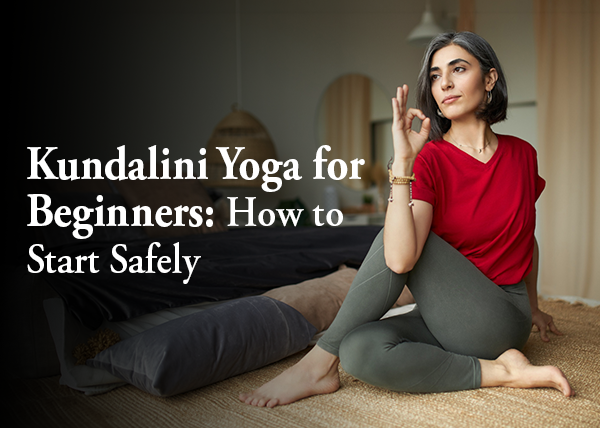
Kundalini Yoga can be a suitable starting point for beginners when it is taught gradually and clearly. A session may combine gentle movement, breath awareness, meditation, mantra, mindfulness and relaxation. You do not need advanced flexibility, previous Kundalini experience or a perfect meditation practice to begin. The safest approach is to work with qualified guidance, listen to your body and choose practices that match your current experience.
Quick Answer: Can Beginners Practise Kundalini Yoga Safely?
Yes, beginners can explore Kundalini Yoga with appropriate guidance and a gradual approach. The exact structure of a class varies between teachers, but sessions may include movement, breathing, meditation, mantra and relaxation.
Some practices may feel gentle, while others may be more physically or mentally demanding. Beginners should not attempt forceful breathing, long breath retention, extreme postures or advanced meditation techniques without proper instruction.
A suitable beginner class should provide clear explanations, reasonable pacing, modifications and permission to rest when needed.
What Is Kundalini Yoga?
Kundalini Yoga is a traditional yoga practice that may combine physical movement, breathwork, meditation, mantra and focused awareness. It is sometimes described as the “Yoga of Awareness” because it places attention on the relationship between the body, breath and mind.
The word Kundalini also has a traditional spiritual meaning. In some yogic traditions, it refers to an inner energy or potential that can be explored through specific practices. These ideas belong to a spiritual and philosophical framework and should not be presented as established medical or scientific facts.
A modern Kundalini Yoga class may include:
- Gentle or repeated movements
- Breath awareness
- Meditation
- Mantra or chanting
- Mindfulness
- Relaxation
- Concentration
- Reflection
Every teacher may structure a session differently. One class may focus more on movement and breath, while another may include longer periods of meditation, mantra or quiet reflection.
Is Kundalini Yoga Suitable for Beginners?
Kundalini Yoga can be suitable for beginners when the class is taught in an accessible and responsible way. Previous experience is not always required.
You do not need:
- Advanced flexibility
- Previous meditation experience
- Knowledge of Sanskrit
- Experience with chanting
- The ability to sit for long periods
- Experience with intense yoga poses
- A specific spiritual background
What matters more is your willingness to learn slowly and ask questions when something is unclear.
Before joining a class, look for:
- Clear instructions
- A welcoming environment
- Beginner-friendly pacing
- Options to modify movements
- Time to ask questions
- Guidance for breathing techniques
- Permission to rest or skip a practice
- An instructor who respects individual limits
If you are completely new to yoga, tell the instructor before the class begins. This gives them an opportunity to explain the session and suggest appropriate modifications.
What Happens in a Beginner Kundalini Yoga Class?
There is no single schedule followed by every Kundalini Yoga class. The length, intensity and sequence of activities depend on the teacher, class format and experience level of the participants.
A beginner session may include:
- Arriving and settling into the space
- Gentle warm-up movements
- Breath awareness
- A guided movement sequence or kriya
- Meditation
- Mantra or sound-based practice
- Quiet relaxation
- Closing reflection
The class may not include every element listed above. Some teachers may explain the purpose of each activity before beginning, while others may offer instructions throughout the practice.
You should not feel pressured to perform every movement or repeat every sound perfectly. A beginner class should give you room to observe, learn and adjust.
Common Kundalini Yoga Practices for Beginners
Gentle Movement and Kriya
In Kundalini Yoga traditions, a kriya may refer to a coordinated sequence involving movement, breath and attention. A beginner-friendly kriya may include repeated movements, seated positions or simple transitions.
The goal is not to force the body into difficult shapes. Movements should be adapted according to your comfort, mobility and experience.
If a movement creates sharp pain, joint pressure or unusual discomfort, stop or ask for a modification. A responsible instructor should be able to offer a simpler option.
Breath Awareness
Breathwork is often included in Kundalini Yoga. Beginners may start by observing the natural breath and noticing whether they are breathing comfortably during movement or meditation.
A teacher may introduce simple breathing patterns, but these should be explained clearly and practised gradually. You should not force the breath or continue a technique that causes dizziness, discomfort or anxiety.
For your first classes, focus on:
- Breathing naturally
- Noticing when you hold your breath
- Returning to a comfortable rhythm
- Pausing when needed
- Asking questions about unfamiliar techniques
More advanced breathing practices should be learned directly from a qualified instructor.
Meditation
Kundalini Yoga meditation for beginners may involve sitting comfortably, observing the breath, repeating a phrase or following a guided point of focus.
Meditation does not require your mind to become completely empty. Thoughts may appear during the practice. The goal may simply be to notice when your attention wanders and gently return to the chosen focus.
You can sit on a cushion, folded blanket or chair if that is more comfortable. There is no requirement to sit in a particular position if it causes discomfort.
Mantra and Chanting
Mantra may involve repeating a sound, word or phrase. In traditional practice, some people use mantra to support attention, rhythm and concentration.
You may be invited to chant aloud, repeat a mantra quietly or listen to the teacher. If chanting feels unfamiliar, you can observe the practice first and join when you feel comfortable.
Mantra should be presented as a traditional practice, not as a cure for a physical or mental health condition.
Relaxation
Quiet rest may be included at the end of a Kundalini Yoga session. This gives you time to notice how you feel after movement, breath awareness and meditation.
Relaxation is a normal part of the practice. You can also take short breaks during the session if you feel tired, overwhelmed or uncomfortable.
How to Start Kundalini Yoga Safely
1. Choose Qualified Guidance
Start with an instructor who can explain the practices clearly and adapt them for beginners. Ask about the class level, teaching approach and how modifications are offered.
2. Begin With a Beginner-Level Session
A beginner-level class can help you understand the basic structure without feeling pressured to keep up with advanced participants. Let the instructor know that you are new before the class starts.
3. Share Relevant Health Information
If you have an injury, medical condition, recent surgery, pregnancy-related concern or another health question, speak with a healthcare professional and inform your instructor before participating.
4. Avoid Forcing Breathwork
Breathing should remain comfortable. Stop if you feel dizzy, faint, breathless or unusually uncomfortable. Never assume that stronger or longer breathing automatically creates a better practice.
5. Choose Comfortable Movement
You do not need to copy the deepest or largest movement shown by the instructor. Focus on controlled movement that feels appropriate for your current ability.
6. Ask How to Modify a Practice
If a position, breathing method or meditation posture does not feel suitable, ask for another option. A good class should make modifications feel normal and welcome.
7. Keep Your First Sessions Manageable
Your first session does not need to be long or intense. Starting with a manageable practice can help you understand how your body and attention respond.
8. Rest When Needed
Rest during a session if you feel tired or overwhelmed. You can return to natural breathing, sit quietly or leave a movement out.
9. Stop if You Notice Unusual Symptoms
Stop the practice if you experience sharp pain, dizziness, faintness, panic, difficulty breathing or unusual discomfort. Seek appropriate advice when needed.
10. Avoid Comparing Your Experience With Others
People respond differently to movement, meditation and mantra. Your practice does not need to look or feel the same as another student’s practice.
Kundalini Yoga Benefits for Beginners
Kundalini Yoga may offer several non-medical benefits as part of a broader wellness routine. Individual experiences vary, and no specific result is guaranteed.
Some beginners may appreciate:
- Greater awareness of breathing
- More mindful movement
- Improved concentration during practice
- A sense of structure and routine
- Opportunities for reflection
- Quiet relaxation after a guided session
- Connection with a supportive learning environment
These benefits should be understood as possible experiences, not promises. Kundalini Yoga should not be presented as a treatment for anxiety, depression, trauma, insomnia, chronic pain or any other medical condition.
What Should Beginners Wear and Bring?
You usually do not need special equipment to begin. Before attending, confirm what the instructor or studio provides.
A practical checklist may include:
- Comfortable clothing
- Light layers that allow easy movement
- A yoga mat, if required
- A water bottle
- A cushion or folded blanket for seated practice
- A journal, if reflection is included
- Personal medication or essential items
- Headphones for an online session
- A quiet space for virtual practice
Wear clothing that allows you to sit, stretch and move comfortably. Avoid anything that makes breathing or movement difficult.
How to Prepare for Your First Kundalini Yoga Class
A little preparation can make your first class feel more comfortable.
Before the session:
- Eat according to your personal comfort
- Avoid arriving rushed
- Keep water nearby
- Set up a clear and quiet space for online practice
- Tell the instructor about relevant limitations
- Ask what the class will include
- Keep a cushion or chair nearby if needed
- Stay open to modifying the practice
- Avoid expecting a particular emotional or spiritual experience
You do not need to arrive with a specific goal or belief system. It is fine to approach the class with curiosity and observe how the practices are explained.
What Are the Risks of Kundalini Yoga?
Kundalini Yoga is a form of physical and contemplative practice. Like other forms of physical activity, it can involve risks when movements are forced or advanced techniques are attempted without guidance.
Possible concerns may include:
- Strains or sprains
- Overstretching
- Dizziness
- Light-headedness
- Breath discomfort
- Difficulty maintaining a position
- Feeling overwhelmed by an unfamiliar practice
Beginners should avoid extreme postures, forceful breathing, long breath retention and unsupervised advanced techniques.
According to the National Center for Complementary and Integrative Health, beginners should learn under appropriate guidance and avoid extreme practices and forceful breathing. People with health conditions, injuries, pregnancy-related concerns or other individual needs may need to modify some practices.
Stop if you experience sharp pain, faintness, panic, difficulty breathing or unusual symptoms. Yoga should not be used to delay professional medical care.
How to Choose a Kundalini Yoga Class ?
Use the following checklist before booking:
| What to check | Why it matters |
| Instructor experience | Helps you understand the level of guidance available |
| Beginner suitability | Shows whether the class matches your experience |
| Class format | Helps you choose online, private or group learning |
| Breathwork approach | Clarifies whether techniques are gentle and explained |
| Modification options | Supports different bodies and experience levels |
| Schedule | Helps you choose a realistic time |
| Communication | Makes it easier to ask questions before joining |
| Pricing and cancellation terms | Helps you understand the booking commitment |
Avoid choosing a class based only on dramatic promises or impressive images. Look for clear information about the instructor, class format, beginner suitability and safety approach.
You can also learn more about the Canada Yoga Studio team before deciding which type of guidance may suit you.
Private and Online Kundalini Yoga for Beginners
Personalised instruction may be useful if you prefer individual attention, feel nervous in a group class or need flexible timing.
Private or online sessions may suit beginners who:
- Prefer learning at home
- Want time to ask questions
- Need a slower introduction
- Want individual modifications
- Have a busy schedule
- Prefer a private learning environment
Canada Yoga Studio offers personalised Kundalini Yoga sessions through live one-to-one Google Meet sessions. The timing can be arranged around the participant’s availability and time zone.
Sessions may include breathwork, movement, meditation, mantra, mindfulness and relaxation practices based on the participant’s goals and experience level.
The current programme page lists three sessions for $175 and five sessions for $250. Confirm current pricing, availability and programme details directly with Canada Yoga Studio before booking.
Kundalini Yoga Compared With Other Yoga Styles
Kundalini Yoga may place more emphasis on the combination of breathwork, meditation, mantra and focused awareness. Other yoga styles may focus more heavily on physical postures, alignment, strength, mobility or relaxation.
No single style is best for everyone. Your choice may depend on your goals, comfort level, schedule and interest in meditation or mantra.
If you prefer practising from home, you can also explore online yoga classes in Canada.
When Should You Modify or Stop a Practice?
Modify or stop a practice if you experience:
- Sharp pain
- Joint pressure
- Dizziness
- Faintness
- Difficulty breathing
- Panic
- Unusual discomfort
- Feeling physically overwhelmed
Return to natural breathing, rest and ask the instructor for a modification. You do not need to continue simply because other people are still practising.
If you have an injury, health condition, recent surgery or pregnancy-related concern, speak with a healthcare professional and the instructor before participating.
Frequently Asked Questions
Is Kundalini Yoga safe for beginners?
Kundalini Yoga can be suitable for beginners when it is taught clearly and practised gradually. Start with a beginner-friendly class, avoid forcing movement or breathwork and ask for modifications when needed. People with health concerns should speak with a healthcare professional and inform the instructor before joining.
Do I need previous yoga experience to start Kundalini Yoga?
No. Many beginners can start without previous Kundalini Yoga or meditation experience. You do not need advanced flexibility, knowledge of Sanskrit or experience with chanting. Choose a class that explains the practices clearly and allows you to move at your own pace.
What happens in a beginner Kundalini Yoga class?
A beginner class may include gentle movement, breath awareness, meditation, mantra and relaxation. The structure varies by instructor. You may be guided through a sequence and given time to rest or ask questions. You do not need to perform every movement or practice perfectly.
Is Kundalini Yoga physically difficult?
The physical intensity varies between teachers and sessions. Some practices may be gentle, while others may involve repeated movements or longer holds. Beginners should choose an appropriate level, use modifications and stop if they experience pain, dizziness or unusual discomfort.
What should I bring to my first Kundalini Yoga class?
Bring comfortable clothing, water and a yoga mat if one is not provided. A cushion or folded blanket may help with seated practice. For an online class, prepare a quiet space, a stable internet connection and headphones if helpful.
Can I practise Kundalini Yoga online?
Yes. Online sessions can be useful for people who prefer practising from home or need flexible timing. Choose a live class or session where the instructor can explain techniques, answer questions and offer modifications.
Is chanting required in Kundalini Yoga?
Chanting may be included in some Kundalini Yoga classes, but the approach varies. A beginner can listen first, repeat quietly or ask the instructor how to participate. Mantra should be presented as a traditional practice for attention and reflection, not as a medical treatment.
How can I find a safe Kundalini Yoga instructor?
Look for clear information about the instructor’s experience, beginner suitability, class format, safety approach and modification options. Ask what the session includes and explain any relevant health concerns before participating.
Final Thoughts
Kundalini Yoga for beginners can be approached safely through clear instruction, gradual progression and respect for individual limits. A session may include movement, breath awareness, meditation, mantra, mindfulness and relaxation, but the exact experience varies between teachers.
You do not need advanced flexibility, previous meditation experience or a particular spiritual background to begin. Start slowly, ask questions and choose a class that makes you feel informed and comfortable.
If you would like personalised guidance, speak with Canada Yoga Studio to learn more about beginner-friendly Kundalini Yoga sessions.