
Morning Yoga Routine: 10 Easy Poses to Start Your Day

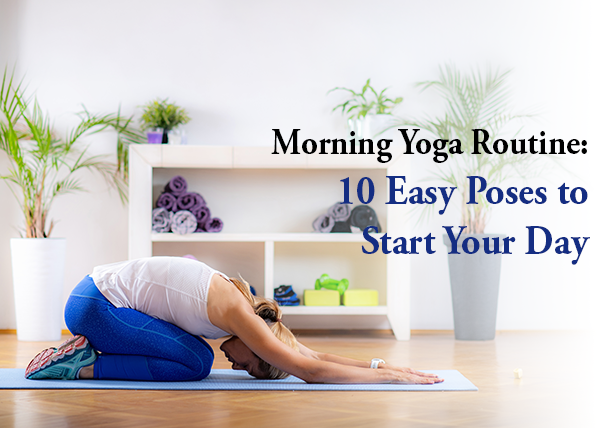
Mornings can feel rushed, especially when the body feels stiff and the mind is already thinking about the day ahead. A simple morning yoga routine can help create a calmer, more comfortable start. Just a few minutes of gentle movement, stretching, and mindful breathing can make the transition from sleep to daily activities feel easier.
Yoga does not have to involve difficult poses or long sessions. Even beginners can practise easy yoga poses at home without special equipment or previous experience. The key is to move slowly, breathe naturally, and choose movements that feel comfortable.
This guide explores 10 easy morning yoga poses, their benefits, and how to combine them into a practical 15-minute routine. Whether someone wants to improve flexibility, reduce morning stiffness, or build a healthy daily habit, these beginner-friendly exercises offer a simple place to start.
Why Is Morning Yoga Good for the Body and Mind?
Practising yoga in the morning encourages gentle movement after several hours of rest. During sleep, the body remains relatively still, which can leave some people feeling stiff when they wake up.
A gentle yoga practice helps move the joints, stretch the muscles, and bring attention to breathing before the day becomes busy.
Benefits of Practising Yoga Every Morning
1. Helps reduce morning stiffness
Gentle stretching moves the muscles and joints through comfortable ranges of motion. This can help the body feel less stiff after sleeping.
2. Improves flexibility over time
Regular yoga practice can gradually improve flexibility, particularly around the hips, shoulders, hamstrings, and back.
3. Supports better posture
Yoga poses that strengthen the back, abdomen, and shoulders can support better body awareness and posture during everyday activities.
4. Encourages a calmer mindset
Slow breathing and mindful movements may help reduce feelings of stress and encourage relaxation.
5. Builds strength and balance
Some yoga poses engage the legs, core, and upper body, helping develop stability and muscular endurance.
6. Creates a positive daily habit
A short yoga session provides a consistent opportunity to focus on physical and mental well-being.
Although morning yoga offers several potential benefits, results depend on consistency, individual health, and the type of practice.
How to Prepare for a Morning Yoga Routine
A comfortable environment makes yoga easier, particularly for beginners who are still learning basic movements.
Before starting, a few simple preparations can help.
- Choose a quiet space: Find an area with enough room to stretch and move freely.
- Use a yoga mat: A non-slip mat provides comfort and stability.
- Wear comfortable clothing: Stretchable clothes allow the body to move naturally.
- Start with gentle breathing: Take a few slow breaths before beginning.
- Avoid forcing stretches: Every pose should feel manageable rather than painful.
- Keep water nearby: Drink water according to personal needs.
Morning yoga can be practised before breakfast if that feels comfortable. Anyone who experiences dizziness, weakness, or discomfort while exercising without food may prefer a light snack first.
Beginners should also remember that yoga is not about achieving perfect-looking poses. Comfortable movement and steady breathing matter more than flexibility.
10 Easy Morning Yoga Poses for Beginners
The following morning yoga poses combine stretching, gentle strengthening, balance, and relaxation. Together, they create a beginner-friendly sequence that can be completed in approximately 15 minutes.
1. Mountain Pose (Tadasana)
Mountain Pose is a simple standing posture that encourages body awareness, balance, and upright alignment.
Although it looks like ordinary standing, the pose teaches beginners to notice how their weight is distributed across both feet.
How to practise Mountain Pose:
- Stand upright with feet hip-width apart or comfortably together.
- Keep the knees relaxed rather than locked.
- Allow the arms to rest naturally beside the body.
- Relax the shoulders and lengthen through the spine.
- Breathe slowly while maintaining a comfortable posture.
- Hold for 30–60 seconds.
Benefits:
- Encourages better standing posture.
- Develops awareness of body alignment.
- Helps prepare the body for other standing poses.
- Supports balance and concentration.
Beginner tip: Practising near a wall can provide additional stability.
2. Standing Forward Bend (Uttanasana)
Standing Forward Bend gently stretches the back of the legs and allows the upper body to relax.
It can be especially helpful for people who experience tight hamstrings after waking up.
How to practise Standing Forward Bend:
- Begin in Mountain Pose.
- Bend the knees slightly.
- Slowly fold forward from the hips.
- Let the arms hang naturally toward the floor.
- Keep the neck and shoulders relaxed.
- Hold for 20–30 seconds while breathing comfortably.
- Bend the knees and rise slowly.
Benefits:
- Stretches the hamstrings and calves.
- Encourages relaxation in the shoulders and neck.
- Improves awareness of hip movement.
- Supports flexibility in the back of the body.
Beginner tip: The hands do not need to touch the floor. Keeping the knees bent makes the stretch more accessible.
People who become dizzy when bending forward should avoid keeping the head below the heart and choose a supported variation instead.
3. Cat-Cow Pose (Marjaryasana–Bitilasana)
Cat-Cow is one of the easiest morning yoga stretches for gently moving the spine.
The exercise combines two movements with breathing, making it useful for developing coordination and spinal mobility.
How to practise Cat-Cow Pose:
- Begin on hands and knees.
- Place the wrists under the shoulders and knees under the hips.
- Inhale while gently lowering the belly and lifting the chest into Cow Pose.
- Exhale while rounding the back and lowering the head into Cat Pose.
- Repeat slowly for 8–10 rounds.
Benefits:
- Encourages gentle spinal movement.
- Helps reduce feelings of stiffness in the back.
- Improves coordination between breathing and movement.
- Encourages awareness of the spine and pelvis.
Beginner tip: Place a folded blanket under the knees for additional comfort. People with wrist discomfort can modify the position or practise similar spinal movements while seated.
4. Child’s Pose (Balasana)
Child’s Pose is a gentle resting posture commonly included in yoga routines for relaxation.
It allows the body to settle while providing a comfortable stretch through the back and hips.
How to practise Child’s Pose:
- Kneel on the yoga mat.
- Bring the big toes together and separate the knees to a comfortable distance.
- Slowly move the hips toward the heels.
- Extend the arms forward.
- Rest the forehead on the mat or a cushion.
- Hold for 30–60 seconds while breathing naturally.
Benefits:
- Gently stretches the back and hips.
- Encourages relaxation.
- Provides a resting position between more active poses.
- Helps bring attention to slow breathing.
Beginner tip: Place a cushion between the hips and heels if sitting back feels uncomfortable. People with knee pain should avoid forcing the position.
5. Downward-Facing Dog (Adho Mukha Svanasana)
Downward-Facing Dog is a well-known yoga posture that stretches several muscle groups while engaging the arms and shoulders.
For beginners, it may feel challenging initially, so small adjustments can make it more comfortable.
How to practise Downward-Facing Dog:
- Start on hands and knees.
- Spread the fingers and press the palms gently into the mat.
- Lift the knees and move the hips upward and backward.
- Keep the knees slightly bent.
- Allow the head to remain comfortably between the arms.
- Hold for 20–30 seconds.
- Lower the knees slowly to return to the mat.
Benefits:
- Stretches the calves and hamstrings.
- Engages the arms and shoulders.
- Encourages length through the back.
- Helps build upper-body endurance.
Beginner tip: Keep the heels lifted if necessary. The goal is comfortable alignment, not forcing the heels onto the floor.
People with wrist injuries, certain shoulder conditions, or symptoms that worsen when the head is lowered may need an alternative pose.
6. Low Lunge Pose (Anjaneyasana)
Low Lunge is a useful morning yoga exercise for gently stretching the front of the hips.
People who spend long periods sitting may find this movement particularly helpful.
How to practise Low Lunge Pose:
- Begin on hands and knees.
- Step the right foot forward between the hands.
- Keep the right knee above the ankle.
- Extend the left leg backward with the knee resting on the mat.
- Lift the chest and place the hands on the front thigh.
- Hold for 20–30 seconds.
- Return to the starting position and repeat on the opposite side.
Benefits:
- Stretches the hip flexor muscles.
- Encourages mobility around the hips.
- Engages the legs and core.
- Supports balance and body awareness.
Beginner tip: A folded blanket under the back knee can reduce pressure. Yoga blocks may also help provide support.
7. Cobra Pose (Bhujangasana)
Cobra Pose is a gentle backbend that opens the front of the body and activates the muscles along the spine.
It can be included in a morning stretching routine to counter some of the stiffness associated with prolonged sitting.
How to practise Cobra Pose:
- Lie on the stomach with the legs extended.
- Place the palms beside the lower ribs.
- Keep the elbows close to the body.
- Inhale and gently lift the chest using the back muscles, with light support from the hands.
- Keep the shoulders away from the ears.
- Hold for 10–20 seconds.
- Exhale and slowly lower the chest.
Benefits:
- Engages the back muscles.
- Stretches the front of the torso.
- Encourages gentle spinal extension.
- Improves awareness of upper-body posture.
Beginner tip: Lift the chest only a little. A low Cobra Pose is often more comfortable than trying to straighten the arms.
Anyone with back pain that worsens during backbends should stop and seek appropriate guidance.
8. Bridge Pose (Setu Bandhasana)
Bridge Pose is a beginner-friendly yoga posture that engages the glutes, legs, and muscles supporting the spine.
It also encourages movement through the hips.
How to practise Bridge Pose:
- Lie on the back with the knees bent.
- Place the feet flat on the mat, approximately hip-width apart.
- Rest the arms beside the body.
- Press through the feet and gently lift the hips.
- Keep the knees pointing forward.
- Hold for 15–30 seconds while breathing steadily.
- Lower the hips slowly.
Benefits:
- Strengthens the glutes and back muscles.
- Encourages hip extension.
- Engages the legs and core.
- Supports body awareness and stability.
Beginner tip: Avoid lifting the hips too high or turning the head while holding the pose. Keep the neck comfortable.
9. Seated Spinal Twist (Ardha Matsyendrasana Variation)
A gentle seated twist can help the upper body feel more mobile after waking up.
The movement should come from a comfortable rotation through the torso rather than pulling the body into a deeper stretch.
How to practise a Seated Spinal Twist:
- Sit comfortably on the floor with the legs crossed or extended.
- Lengthen the spine and relax the shoulders.
- Place the right hand behind the body for light support.
- Rest the left hand on the right thigh.
- Gently rotate the upper body toward the right.
- Hold for 15–20 seconds.
- Return to the centre and repeat on the left side.
Benefits:
- Encourages gentle spinal rotation.
- Supports upper-body mobility.
- Helps develop awareness of posture.
- Provides a comfortable stretch through the torso.
Beginner tip: The movement should remain gentle. Avoid pulling against the knee to force a deeper twist.
10. Easy Pose with Deep Breathing (Sukhasana)
Ending a morning yoga routine with a seated breathing exercise provides an opportunity to relax and focus before starting daily activities.
Easy Pose is a comfortable seated posture often used for meditation and mindful breathing.
How to practise Easy Pose:
- Sit cross-legged on a yoga mat or cushion.
- Keep the spine comfortably upright.
- Relax the shoulders and rest the hands on the knees.
- Breathe in slowly through the nose.
- Exhale gently without forcing the breath.
- Continue for 1–2 minutes.
Benefits:
- Encourages mindful breathing.
- Supports relaxation and concentration.
- Provides a calm transition into the day.
- Helps develop a consistent mindfulness habit.
Beginner tip: Sitting on a chair is a suitable alternative for anyone who finds sitting cross-legged uncomfortable.
A Simple 15-Minute Morning Yoga Routine
Beginners do not need to practise yoga for an hour to develop a useful morning habit. A short routine can be easier to maintain, particularly on busy weekdays.
The following sequence combines all 10 poses into a practical morning yoga flow.
| Yoga pose | Suggested time |
| Mountain Pose | 1 minute |
| Standing Forward Bend | 1 minute |
| Cat-Cow Pose | 2 minutes |
| Child’s Pose | 1 minute |
| Downward-Facing Dog | 1 minute |
| Low Lunge Pose | 2 minutes (both sides) |
| Cobra Pose | 1 minute |
| Bridge Pose | 2 minutes |
| Seated Spinal Twist | 2 minutes (both sides) |
| Easy Pose with Deep Breathing | 2 minutes |
| Total | 15 minutes |
The suggested times include short pauses and transitions where needed. Beginners can shorten individual poses or rest between movements.
For a more comfortable flow, practitioners can move from standing poses to hands-and-knees positions, continue with floor exercises, and finish with seated breathing.
Consistency is more important than completing every pose perfectly.
Morning Yoga Routine for Different Fitness Levels
A morning yoga practice should match a person’s comfort, mobility, and experience.
For Complete Beginners
People who are new to yoga can begin with five simple movements:
- Mountain Pose
- Cat-Cow Pose
- Child’s Pose
- Low Lunge Pose
- Easy Pose with Deep Breathing
These movements introduce basic stretching, breathing, and body awareness without requiring complicated transitions.
A 5–10-minute session can be a comfortable starting point.
For People with a Busy Schedule
A quick morning yoga routine can include Cat-Cow, Standing Forward Bend, Low Lunge, and seated breathing.
Practising for just a few minutes may help maintain consistency when there is limited time.
For People Who Feel Stiff in the Morning
Gentle movements such as Cat-Cow, Child’s Pose, and supported Low Lunge may be more comfortable than demanding stretches.
The body should be given time to warm up gradually. Stretching should never cause sharp pain.
How to Make Morning Yoga a Daily Habit
Starting a yoga routine is often easier than maintaining it. Creating a simple and realistic schedule can help make the practice part of everyday life.
Start with Five Minutes
Beginners can start with five minutes and gradually increase the duration as the routine becomes familiar.
A short, consistent practice is usually more manageable than an ambitious schedule that is difficult to maintain.
Practise at a Consistent Time
Some people prefer practising immediately after waking up, while others feel more comfortable after drinking water or completing their morning routine.
Choosing a consistent time can help establish the habit.
Keep the Yoga Mat Ready
Placing the mat in a convenient location reduces preparation time and makes starting easier.
Focus on Breathing
Slow, natural breathing helps maintain attention during yoga.
Breathing should remain comfortable, without unnecessary breath-holding or strain.
Follow Guided Yoga Classes
Beginners who are unsure about posture or alignment may benefit from guidance from a qualified yoga instructor.
Structured classes can help people understand safe modifications, proper technique, and suitable progressions.
At Canada Yoga Studio, individuals interested in developing a regular yoga practice can explore guided sessions and different yoga styles according to their experience and goals.
Common Morning Yoga Mistakes to Avoid
Although yoga can be gentle, incorrect technique or excessive stretching may lead to discomfort.
1. Stretching too aggressively
Muscles may feel stiff immediately after waking. Beginners should gradually increase movement rather than forcing deeper stretches.
2. Holding the breath
Breathing naturally during yoga helps avoid unnecessary tension.
3. Comparing flexibility with others
Everyone has different mobility, strength, and physical limitations. Yoga poses should be adjusted to individual needs.
4. Rushing between poses
Fast movements may make it harder to maintain balance and comfortable alignment.
5. Ignoring pain
Mild stretching sensations can be normal, but sharp pain, tingling, or increasing discomfort are reasons to stop or modify a pose.
6. Choosing difficult poses too early
Beginners should first become comfortable with basic yoga movements before attempting advanced balances, deep backbends, or inversions.
People who are pregnant, recovering from surgery, managing injuries, or living with conditions that affect balance, blood pressure, or mobility should seek suitable professional guidance before beginning or modifying a yoga routine.
Is It Better to Do Yoga in the Morning or Evening?
Both morning and evening yoga can support physical activity, flexibility, and relaxation. The best time depends on personal preference and daily routine.
Morning yoga may be particularly useful for people who want to reduce stiffness, practise mindful breathing, and establish a positive routine before work or other responsibilities.
Evening yoga may appeal to people who prefer gentle stretching and relaxation after a busy day.
There is no universal rule that morning yoga is better than evening yoga. Regular practice at a comfortable time matters more than the time of day.
For people who enjoy starting the day with movement, a short morning yoga routine can be a practical choice.
Frequently Asked Questions About Morning Yoga
1. What is the best morning yoga routine for beginners?
A beginner-friendly morning yoga routine can include Mountain Pose, Cat-Cow Pose, Child’s Pose, Low Lunge, and Easy Pose with deep breathing. These poses introduce gentle stretching, mobility, and relaxation without requiring advanced flexibility.
2. Is 10 minutes of yoga every morning enough?
Ten minutes of morning yoga can be a useful starting point for developing flexibility, body awareness, and a regular movement habit. However, a short yoga session may not meet all recommended physical activity needs, so other forms of exercise can also be important.
3. Can morning yoga help reduce stress?
Gentle yoga, mindful movement, and slow breathing may help people feel calmer and manage everyday stress. The effects vary between individuals, and yoga should not replace professional treatment when it is needed.
4. Should yoga be done before or after breakfast?
Gentle yoga can be practised before breakfast if the person feels comfortable. After a large meal, it is generally better to allow time for digestion before practising demanding poses or deep twists. People who feel weak or dizzy without food may prefer a light snack.
5. Which yoga poses are best for morning stiffness?
Cat-Cow Pose, Child’s Pose, Low Lunge, and gentle Standing Forward Bend variations can help move areas that commonly feel stiff, including the back, hips, and legs. Movements should remain within a pain-free range.
6. Can beginners practise morning yoga at home?
Yes. Beginners can practise simple yoga poses at home using a non-slip mat and enough space to move safely. Guided instruction can be helpful for learning alignment and choosing suitable modifications.
7. How many days a week should someone practise morning yoga?
Beginners can start with two or three days per week and increase the frequency as comfort and confidence improve. Gentle daily practice may also be suitable for many people, provided the movements remain comfortable and adequate recovery is allowed.
8. Does morning yoga help with weight loss?
Yoga can contribute to physical activity, strength, and overall well-being. However, weight management depends on several factors, including nutrition, activity levels, sleep, and individual health. A short, gentle yoga routine alone is unlikely to produce substantial weight loss.
Conclusion
A morning yoga routine does not need to be complicated to become a valuable part of everyday life. Simple poses such as Mountain Pose, Cat-Cow, Child’s Pose, Low Lunge, and Bridge Pose can help the body move more comfortably while encouraging balance, flexibility, and mindful breathing.
The most important part of morning yoga is consistency. Beginners can start with a few minutes, learn each movement gradually, and build a routine that fits their schedule and physical needs.
For anyone looking to establish a regular practice, guided yoga sessions can provide helpful instruction and support. Canada Yoga Studio offers an opportunity to explore yoga in a structured setting and develop a practice suited to individual goals.
With a comfortable space, a few basic poses, and a little time each morning, yoga can become a simple and enjoyable way to begin the day.