
Yoga for Kids: 12 Fun Poses and Benefits for Children

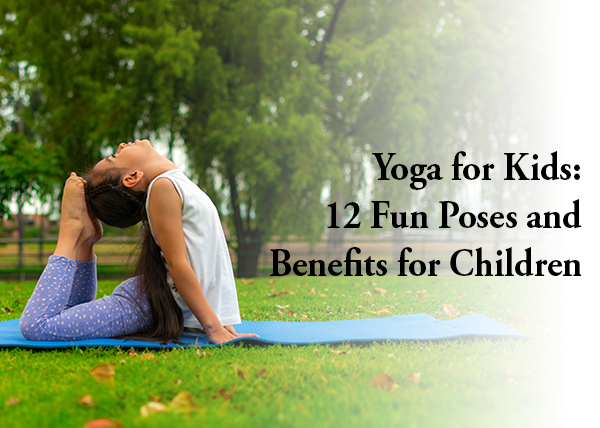
Alternative Title: Yoga for Kids: Easy and Playful Poses That Help Children Grow Stronger and Calmer
Why Yoga for Kids Matters ?
Kids today deal with a lot school pressure, screen time, busy schedules, and social stress. Many children carry stress in their bodies without even knowing it. Yoga for kids is one of the most natural and enjoyable ways to help children manage that stress while building physical strength, flexibility, and focus.
Unlike high-intensity sports or structured workouts, yoga meets children where they are. It is playful, non-competitive, and adaptable to every body type and fitness level. Whether your child is energetic and loves to move or calm and prefers quieter activities, yoga works beautifully for all types of children.
At Canada Yoga Studio, we believe that yoga is not just for adults. Children who practice yoga regularly grow into more self-aware, grounded, and confident individuals. And the best part? They have a blast doing it.
This blog will walk you through 12 fun yoga poses that kids will actually enjoy, along with the many ways yoga supports healthy child development.
How Is Kids’ Yoga Different from Adult Yoga?
Many parents wonder if yoga for children is simply a scaled-down version of adult yoga. The answer is: not quite.
Kids’ yoga is designed around how children think, learn, and play. Here is what makes it different:
- Storytelling and imagination: Poses are often turned into animals, nature scenes, or characters from a story. Instead of saying “do downward dog,” a teacher might say “let’s pretend we’re puppies stretching in the morning.”
- Short sessions: Children have shorter attention spans, so kids’ yoga classes are typically 30–45 minutes long, keeping things fresh and fun.
- Games and movement: Classes incorporate yoga games, partner poses, and creative sequences to keep energy high and engagement strong.
- No competition: There are no grades, no “doing it right,” and no comparisons. Every child moves at their own pace.
- Breathing exercises made simple: Kids are taught breathing through simple, playful methods like blowing bubbles, smelling flowers, or blowing out birthday candles.
- Positive reinforcement: Teachers celebrate effort, not perfection, which builds a healthy relationship with movement and the body.
This child-centered approach is what makes kids’ yoga classes so effective and so loved by children around the world.
Top Benefits of Yoga for Children
Before we dive into the poses, let us talk about why yoga is so good for kids. The benefits go well beyond just stretching.
Physical Benefits
- Better flexibility: Regular yoga gently stretches the muscles and joints, improving a child’s range of motion over time.
- Stronger muscles: Many yoga poses require children to support their own body weight, which builds core strength, arm strength, and leg strength.
- Improved balance and coordination: Balancing poses like Tree Pose help children develop their sense of body awareness and spatial coordination.
- Better posture: Yoga teaches children to sit, stand, and move with awareness, which corrects the slouching that often comes from sitting at desks or using screens.
- Supports healthy growth: Gentle stretching and movement support the healthy development of growing bones and muscles.
Mental and Emotional Benefits
- Reduced anxiety: Breathing exercises and calming poses help lower cortisol (the stress hormone) in the body. This is especially helpful for children who feel anxious before tests or new situations.
- Improved focus and concentration: The mindfulness aspect of yoga trains children to pay attention a skill that helps them in school and in daily life.
- Better sleep: Children who practice yoga regularly tend to fall asleep more easily and sleep more deeply.
- Emotional regulation: Yoga teaches kids how to pause, breathe, and respond calmly rather than react impulsively.
- Boosted self-confidence: As children master new poses and feel stronger in their bodies, their self-esteem grows naturally.
Social Benefits
- Teamwork: Partner and group yoga poses encourage cooperation and communication.
- Empathy: Mindfulness practices help children understand and manage their own emotions, which makes them more considerate of others.
- Non-competitive environment: Children learn to appreciate individual differences and celebrate personal progress rather than comparing themselves to others.
According to research from the Harvard Health Blog, yoga and mindfulness practices significantly reduce anxiety and improve attention in school-age children. These findings align with what yoga teachers and parents observe every day in kids’ yoga programs.
12 Fun Yoga Poses for Kids
Here are 12 yoga poses that are perfect for children. Each pose has a fun name or story angle to make it engaging, along with clear instructions and benefits.
1. Tree Pose (Vrksasana)
How to do it:
Stand on one foot. Bend the other knee and place the sole of that foot on the inner calf or inner thigh (never on the knee). Bring your hands together at your chest, or stretch your arms up like branches. Hold for 5–10 breaths, then switch sides.
Make it fun: Ask kids to imagine they are tall trees swaying gently in the wind. What kind of tree are they? An oak tree? A palm tree?
Benefits:
- Builds balance and concentration
- Strengthens the ankles, calves, and thighs
- Improves focus and body awareness
2. Cat-Cow Pose (Marjaryasana-Bitilasana)
How to do it:
Start on hands and knees (tabletop position). On an inhale, drop the belly toward the floor, lift the chest and tailbone (Cow). On an exhale, round the back up toward the ceiling and tuck the chin to chest (Cat). Repeat slowly for 5–8 breaths.
Make it fun: Let kids make cat sounds (“meow!”) for Cat Pose and moo sounds (“moooo!”) for Cow Pose. It always gets giggles going.
Benefits:
- Gently warms up the spine
- Teaches breath awareness and coordination
- Relieves tension in the back and neck
3. Downward Dog (Adho Mukha Svanasana)
How to do it:
Start on hands and knees. Tuck the toes under and lift the hips up and back, forming an upside-down “V” shape. Keep the knees slightly bent if needed. Press the palms flat and let the head hang. Hold for 5 breaths.
Make it fun: Tell kids they are stretching like a dog waking up from a nap. You can even add a “woof!” moment.
Benefits:
- Stretches the hamstrings, calves, and spine
- Strengthens the arms and shoulders
- Gives the heart a light inversion (blood flows toward the brain)
4. Butterfly Pose (Baddha Konasana)
How to do it:
Sit on the floor. Bring the soles of the feet together and let the knees fall out to each side. Hold the feet with both hands and gently flap the knees up and down like butterfly wings. Stay for 5–10 breaths.
Make it fun: Ask kids where their butterfly is flying to. What colors are their wings?
Benefits:
- Opens the hips and inner thighs
- Stretches the groin and lower back
- Calms the nervous system
5. Warrior I (Virabhadrasana I)
How to do it:
Step one foot forward into a lunge. Bend the front knee over the ankle. Keep the back leg straight and press the back heel into the floor. Raise both arms overhead and look forward. Hold for 5 breaths and switch sides.
Make it fun: Tell kids they are brave warriors going on an adventure. What is their warrior name?
Benefits:
- Builds leg and core strength
- Improves stability and posture
- Builds confidence and a sense of personal power
6. Child’s Pose (Balasana)
How to do it:
Kneel on the floor, sit back on the heels, and fold the body forward. Stretch the arms out in front or rest them alongside the body. Let the forehead rest on the floor or a blanket. Breathe deeply for 5–10 breaths.
Make it fun: Tell children they are a tiny seed underground, resting before they grow into a big plant. This is their quiet, safe space.
Benefits:
- Deeply relaxing for the nervous system
- Gently stretches the lower back and hips
- A great resting pose between more active poses
7. Cobra Pose (Bhujangasana)
How to do it:
Lie face down on the mat. Place the palms on the floor beside the shoulders. On an inhale, press into the hands and lift the chest off the floor. Keep the elbows slightly bent and the shoulders relaxed. Hold for 3–5 breaths.
Make it fun: Hiss like a cobra! Kids love making the sound while rising up slowly.
Benefits:
- Strengthens the back muscles and spine
- Opens the chest and improves breathing
- Counteracts the forward rounding from sitting at desks
8. Happy Baby Pose (Ananda Balasana)
How to do it:
Lie on the back. Bend the knees toward the chest and grab the outsides of the feet (or ankles). Gently pull the knees down toward the armpits, keeping the back flat on the floor. Rock gently side to side.
Make it fun: This pose is already in its name happy babies! Ask kids to remember what babies do when they are happy. Lots of giggling usually follows.
Benefits:
- Releases tension in the hips and lower back
- Gently massages the spine
- Naturally calming and mood-lifting
9. Lion Pose (Simhasana)
How to do it:
Sit in a comfortable cross-legged position. Place the hands on the knees. Take a deep breath in. On the exhale, open the mouth wide, stick out the tongue, roll the eyes up, and let out a loud “HAAA!” roar. Repeat 3 times.
Make it fun: This is every child’s absolute favorite. Roaring like a lion gives kids permission to be loud and free which is wonderful!
Benefits:
- Releases tension in the face and jaw
- Encourages deep, full exhales
- A great stress-buster and mood booster
10. Boat Pose (Navasana)
How to do it:
Sit on the floor with the knees bent. Lean back slightly and lift the feet off the floor so the shins are parallel to the ground. Stretch the arms forward alongside the legs. For more challenge, straighten the legs. Hold for 3–5 breaths.
Make it fun: Tell kids they are boats sailing across the sea. What are they carrying? Where are they going?
Benefits:
- Strengthens the core, hip flexors, and lower back
- Improves balance and body control
- Builds determination and perseverance
11. Bridge Pose (Setu Bandhasana)
How to do it:
Lie on the back with knees bent and feet flat on the floor, hip-width apart. Press into the feet and lift the hips up toward the ceiling. Clasp the hands under the back and press the arms into the floor. Hold for 5 breaths.
Make it fun: Ask kids to imagine toy cars driving under their bridge. Can they make their bridge tall enough?
Benefits:
- Strengthens the glutes, legs, and lower back
- Opens the chest and improves breathing
- Energizing and mood-lifting
12. Starfish Pose (Savasana Variation)
How to do it:
Lie flat on the back with arms and legs spread out wide, like a starfish. Close the eyes. Take slow, deep breaths. Simply rest for 2–5 minutes.
Make it fun: Tell kids they are starfish resting at the bottom of the ocean. Play soft ocean sounds if you like.
Benefits:
- Allows the body and mind to fully relax
- Consolidates all the energy from the practice
- Teaches children the power of stillness and rest
Tips for Making Yoga Fun for Kids
Getting children excited about yoga is easier than you might think. Here are some practical tips to make sessions enjoyable and consistent:
- Use animal names and sounds. Children connect with animals. Naming poses after animals and making the sounds makes yoga instantly more engaging.
- Create a story sequence. Link poses together into a short adventure story. “We are explorers walking through a jungle, climbing a mountain, and finding a waterfall.”
- Keep sessions short. For younger children (ages 3–5), 15–20 minutes is plenty. For older kids (ages 6–12), 30–45 minutes works well.
- Let children lead. Occasionally let a child pick the next pose or make up their own. This gives them ownership and keeps things fresh.
- Use props creatively. Scarves, stuffed animals, and blocks can all become fun tools in a kids’ yoga practice.
- Play music. Upbeat, child-friendly music during active poses and soft instrumental music during rest makes a big difference.
- Practice together. Children love it when parents or caregivers join in. Family yoga time creates bonding and makes the practice sustainable.
- Celebrate consistency, not perfection. Praise your child for showing up and trying, not for how “correctly” they do a pose.
What Age Can Children Start Yoga?
One of the most common questions parents ask is: “How old does my child need to be to start yoga?”
The wonderful answer is: there is no minimum age.
- Babies and toddlers (0–2 years): Parents and caregivers can do gentle stretching and movement with babies, such as bicycling the legs or gentle twists. This is often called “baby yoga” and it supports bonding and physical development.
- Preschoolers (3–5 years): At this age, children can follow simple pose instructions with a playful, story-based approach. Sessions should be very short and very fun.
- Elementary school age (6–12 years): This is the sweet spot for kids’ yoga. Children in this age group can understand instructions, enjoy group activities, and start to notice how yoga makes them feel.
- Teenagers (13+ years): Teens can begin joining general yoga classes with modifications, or attend teen-specific yoga programs that address the unique challenges of adolescence.
The key is to match the approach to the developmental stage of the child. A certified kids’ yoga teacher is trained to do exactly this.
Yoga at Home vs. Joining a Kids’ Yoga Class
Both home practice and structured classes have their place in a child’s yoga journey. Here is how they compare:
Practicing Yoga at Home
Pros:
- Flexible schedule you practice when it works for your family
- Free (or very low cost with online videos and apps)
- A great family bonding activity
- No travel required
Cons:
- Children may not take it as seriously without a teacher present
- Parents may not know how to safely guide children through poses
- Less opportunity for social interaction with peers
Joining a Kids’ Yoga Class
Pros:
- A trained teacher ensures safe and age-appropriate instruction
- Children benefit from the energy and social interaction of a group
- Structured, consistent programming leads to better results
- Children are more likely to stay engaged in a class setting
- Builds friendships and a sense of community
Cons:
- Requires a scheduled commitment
- Has a cost
The best approach is a combination of both enroll your child in a regular class to build a strong foundation, and encourage simple poses at home in between sessions.
How Canada Yoga Studio Supports Kids’ Wellness
At Canada Yoga Studio, we are deeply committed to making yoga accessible and joyful for children of all ages and abilities.
Our Kids’ Yoga Sessions are thoughtfully designed to nurture every child whether they are brand new to yoga or have been practicing for a while. Here is what makes our children’s program special:
- Certified and experienced instructors: Our teachers are trained in both yoga and child development, ensuring that every session is safe, age-appropriate, and genuinely fun.
- Small class sizes: We keep our groups small so that every child gets individual attention and feels seen and valued.
- Holistic approach: Our sessions include physical poses, breathing exercises, mindfulness activities, and relaxation giving children a well-rounded wellness experience.
- Welcoming environment: Our studio is a warm, non-judgmental space where children feel comfortable, confident, and free to be themselves.
- Programs for different age groups: We offer sessions designed specifically for different developmental stages, so the content always feels right for your child.
Whether your child is working through anxiety, needs help focusing, wants to get more active, or simply loves to move and play, our kids’ yoga program has something wonderful to offer.
📍 Ready to give your child the gift of yoga?
Explore our Kids’ Yoga Sessions at Canada Yoga Studio →
Frequently Asked Questions About Kids’ Yoga
Do children need any special equipment to do yoga?
No special equipment is needed to get started. A yoga mat, comfortable clothing, and bare feet are all that is required. If your child attends a class, the studio will often provide mats and any props needed.
Is yoga safe for children with physical limitations or health conditions?
Yes, in most cases. Yoga is highly adaptable and can be modified for children with physical limitations, sensory processing differences, ADHD, autism, and more. Always let your child’s yoga teacher know about any specific needs so they can make appropriate adjustments. It is also a good idea to consult your child’s doctor if there are any significant health concerns.
How often should kids practice yoga?
Even once or twice a week can make a noticeable difference. Consistency matters more than frequency. A short daily session of 10–15 minutes at home plus one weekly class is an excellent routine.
Will my shy or reluctant child enjoy yoga?
Yoga is actually a wonderful activity for shy children because it is non-competitive, gentle, and does not require speaking or performing in front of others. Many shy children find yoga to be a safe and supportive space where they gradually open up and build confidence at their own pace.
Can parents join kids’ yoga classes?
At Canada Yoga Studio, we offer family-friendly sessions where parents and children can practice together. This is a beautiful way to connect, share an activity, and model healthy habits. Check our website for the latest schedule and class options.
What should my child wear to a kids’ yoga class?
Comfortable, stretchy clothing that allows for easy movement is ideal. Leggings, joggers, and loose t-shirts all work well. No special yoga clothing is necessary. Just make sure the outfit is not too baggy, as loose clothes can get in the way during some poses.
Final Thoughts
Yoga for kids is so much more than a fitness activity. It is a tool that helps children build a healthy relationship with their bodies, manage big emotions, focus their minds, and feel good about who they are. The 12 poses shared in this blog are just a starting point a gateway into a practice that can grow with your child for years to come.
Whether you start with a simple Tree Pose in your living room or sign your child up for a dedicated class, you are giving them something truly valuable. The habits children build when they are young tend to stay with them for life. A child who learns to breathe through difficult moments, stretch when their body is tense, and rest when they need it is a child who has tools to navigate the world with more ease.
At Canada Yoga Studio, we would love to be part of your child’s wellness journey. Our Kids’ Yoga Sessions are designed with love, expertise, and a whole lot of fun to help every child thrive.
🌟 Take the next step today.
Visit canadayogastudio.com/kids-yoga-session to learn more about our children’s yoga programs and register your child for a session.
If you found this post helpful, share it with a parent, teacher, or caregiver who might benefit from it. And if you have a favorite yoga pose your child loves, drop it in the comments we would love to hear from your family! 🧘♀️💚
This blog post is for informational purposes only and is not intended to replace professional medical or therapeutic advice. Always consult your child’s healthcare provider before starting a new physical activity program.