
Yoga for Stress Relief: Simple Poses to Relax Your Mind and Body
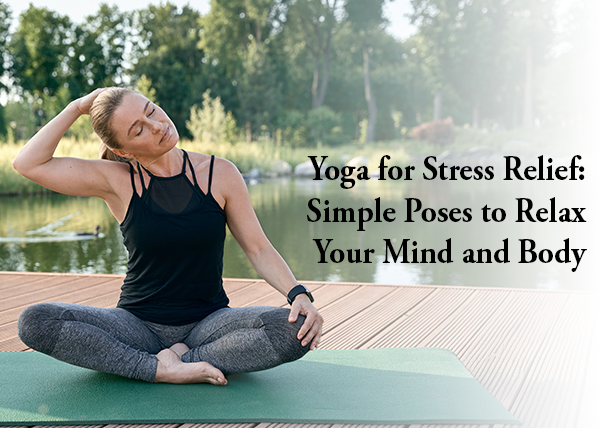
Stress has become a common part of everyday life. Busy work schedules, personal responsibilities, constant screen time, and lack of proper rest can leave people feeling mentally exhausted and physically tense. When stress builds up, even simple tasks may feel overwhelming, making it difficult to relax and focus.
Practising yoga for stress relief is a gentle and natural way to support relaxation and overall well-being. Yoga combines physical postures, controlled breathing, and mindful awareness to help individuals slow down and reconnect with their bodies. Unlike intense exercise routines, gentle yoga focuses on comfortable movements and relaxation rather than physical performance.
Regular yoga practice may help reduce feelings of stress, release muscle tension, and encourage a calmer state of mind. Even a short session can provide an opportunity to step away from daily distractions and focus on the present moment.
This guide explores how yoga helps with stress management, introduces 10 simple yoga poses for relaxation, and explains how beginners can create a daily routine to support mental and physical well-being.
What Is Stress and How Does It Affect the Mind and Body?
Stress is the body’s natural response to situations that feel challenging, demanding, or uncertain. During stressful moments, the body activates its stress response, preparing a person to react to a perceived threat or difficulty.
This response can cause changes in heart rate, breathing, muscle tension, and attention. Although short-term stress is a normal part of life, prolonged stress can affect physical and emotional well-being.
People experiencing ongoing stress may notice tight shoulders, headaches, difficulty concentrating, irritability, tiredness, or changes in sleep patterns. Some individuals also experience digestive discomfort or find it difficult to relax even after completing their daily responsibilities.
Stress affects everyone differently. While occasional stress can be manageable, frequent or overwhelming stress may interfere with daily activities and overall quality of life.
Practices such as yoga, mindfulness, breathing exercises, and regular physical activity can be helpful parts of a broader stress-management routine.
How Does Yoga Help Reduce Stress?
Yoga combines gentle movement, steady breathing, and focused attention. These elements may help reduce the physical and mental tension associated with stress.
Research reviewed by the National Center for Complementary and Integrative Health (NCCIH) suggests that yoga may benefit stress management, mental well-being, and sleep. However, results vary between individuals, and yoga is not a replacement for professional mental health treatment when needed.
Encourages Relaxation and Calmer Breathing
Stress often changes normal breathing patterns. Some people breathe more rapidly or shallowly when they feel anxious or overwhelmed.
Yoga encourages attention to natural, comfortable breathing. Practising slow breathing during gentle movements may help the body settle and make it easier to relax.
Helps Release Physical Tension
Stress can contribute to muscle tension, particularly around the neck, shoulders, jaw, and back.
Gentle yoga stretches encourage movement through these areas and may help reduce feelings of stiffness. Poses such as Child’s Pose, Cat-Cow, and Supine Spinal Twist are commonly used in relaxing yoga routines.
Improves Mindfulness and Focus
Mindfulness involves paying attention to the present moment without constantly reacting to distracting thoughts.
During yoga, practitioners focus on breathing, posture, and physical sensations. This can provide a temporary break from worries about work, personal responsibilities, or future events.
Supports Better Sleep
Stress and sleep difficulties often affect each other. A racing mind can make falling asleep difficult, while insufficient rest may make everyday challenges feel harder to manage.
Gentle evening yoga may help some people relax before bedtime. Restorative poses and comfortable breathing exercises can become part of a consistent sleep routine.
Encourages Emotional Awareness
Yoga creates an opportunity to notice how the body and mind respond to tension.
With regular practice, people may become more aware of early signs of stress, such as tight shoulders, restless thoughts, or shallow breathing. Recognising these changes can encourage healthier coping habits.
10 Best Yoga Poses for Stress Relief and Relaxation
The best yoga poses for stress relief are generally gentle, comfortable, and easy to practise without physical strain. Rather than focusing on difficult movements, relaxing yoga encourages slow transitions, natural breathing, and supported positions.
The following 10 poses can help beginners create a calming yoga practice at home.
1. Child’s Pose (Balasana)
Child’s Pose is a gentle resting posture commonly included in yoga for relaxation. It encourages the body to settle while stretching the back, hips, and shoulders.
To practise, begin by kneeling on a yoga mat with the knees comfortably apart. Slowly move the hips toward the heels and lower the upper body forward. Extend the arms in front of the body or rest them alongside the legs.
The forehead can rest on the mat, a folded blanket, or a cushion. Remain in the position for 30–60 seconds while breathing comfortably.
Child’s Pose provides an opportunity to relax the shoulders and reduce unnecessary muscular effort. It can be particularly useful after a busy day or between more active yoga movements.
Beginners with knee discomfort can place a cushion between the hips and heels or choose a supported seated alternative.
2. Cat-Cow Pose (Marjaryasana–Bitilasana)
Cat-Cow is a gentle movement that encourages mobility through the spine while connecting movement with breathing.
Begin on hands and knees, positioning the wrists below the shoulders and knees beneath the hips. While inhaling, gently lower the belly and lift the chest into Cow Pose. While exhaling, round the spine upward and lower the head into Cat Pose.
Repeat the movement slowly for 8–10 rounds.
This exercise may help reduce feelings of stiffness in the back and shoulders. It also encourages practitioners to focus on the rhythm of movement and breathing instead of distracting thoughts.
People who experience wrist or knee discomfort can practise a modified version while sitting in a chair.
3. Standing Forward Bend (Uttanasana)
Standing Forward Bend is a gentle stretching posture that targets the hamstrings and calves while allowing the upper body to relax.
Begin by standing with the feet approximately hip-width apart. Bend the knees slightly and slowly fold forward from the hips. Allow the arms to hang naturally or rest the hands on a chair or yoga blocks for support.
Hold the position for 15–30 seconds before returning to standing gradually.
The pose can help release feelings of tightness around the back of the legs and provide a quiet moment during a yoga routine.
Beginners should avoid forcing the hands toward the floor. Anyone who experiences dizziness or discomfort when bending forward can practise a supported variation with the head remaining higher.
4. Butterfly Pose (Baddha Konasana)
Butterfly Pose is a comfortable seated stretch that gently opens the hips and inner thighs.
To practise, sit upright on a yoga mat and bring the soles of the feet together. Allow the knees to move outward naturally while keeping the back comfortably extended.
Rest the hands on the feet or ankles and breathe slowly for 30–60 seconds.
Butterfly Pose can encourage relaxation through gentle stretching and a steady seated position. It is particularly useful for people who spend long periods sitting during the day.
Beginners can sit on a folded blanket or place cushions beneath the knees to reduce strain.
5. Seated Forward Bend (Paschimottanasana)
Seated Forward Bend is a calming yoga stretch that targets the hamstrings and encourages a comfortable forward movement through the hips.
Begin by sitting with the legs extended forward. Keep the knees slightly bent if necessary, then lean forward gently from the hips. The hands can rest on the thighs, knees, or shins.
Avoid pulling the body into a deeper stretch or rounding the back excessively.
Hold the position for 20–30 seconds while maintaining natural breathing.
This pose may help reduce feelings of muscular tightness and encourage quiet concentration. However, relaxation should remain the main goal rather than achieving a deep stretch.
Beginners can use a cushion under the hips or a yoga strap for additional support.
6. Supine Spinal Twist (Supta Matsyendrasana)
Supine Spinal Twist is a floor-based yoga posture that gently encourages rotation through the spine.
Begin by lying on the back with both knees bent. Slowly lower the knees toward one side while keeping the shoulders comfortably supported on the floor. The arms can rest outward or alongside the body.
Hold the position for 20–30 seconds before returning to the centre and repeating on the opposite side.
This movement can help release feelings of stiffness around the back and torso. Because it is performed while lying down, it can also be included near the end of a relaxing yoga session.
Beginners can place a pillow between or beneath the knees to make the twist more comfortable.
7. Legs Up the Wall Pose (Viparita Karani)
Legs Up the Wall is a supported resting posture often used in restorative yoga. It allows the body to remain still in a comfortable position while practising relaxed breathing.
To begin, sit beside a wall and carefully turn the body while lying onto the back. Extend the legs upward against the wall, keeping the hips at a comfortable distance from it.
Rest the arms beside the body and remain in the position for 2–5 minutes if comfortable.
The pose offers an opportunity to rest the legs and reduce physical activity. It may feel soothing after a long period of standing or sitting, although it should not be described as a treatment for circulation problems.
People who experience discomfort with elevated legs or head-down positions, or who have certain eye or cardiovascular conditions, should seek appropriate guidance or choose a different resting pose.
8. Reclined Bound Angle Pose (Supta Baddha Konasana)
Reclined Bound Angle Pose is a restorative yoga posture that combines a gentle hip stretch with supported relaxation.
Begin by lying on the back with the knees bent. Bring the soles of the feet together and allow the knees to move outward to a comfortable position.
Place cushions or folded blankets beneath the thighs if additional support is needed. The arms can rest beside the body with the palms facing upward.
Remain in the position for 1–2 minutes while breathing naturally.
This pose can help practitioners slow down and focus on physical comfort. It is especially useful in an evening yoga routine when the goal is relaxation rather than exercise intensity.
9. Easy Pose with Mindful Breathing (Sukhasana)
Easy Pose is a comfortable seated yoga posture commonly used for breathing exercises and meditation.
Sit cross-legged on a cushion or yoga mat while keeping the spine naturally upright. Relax the shoulders and rest the hands on the knees or thighs.
Bring attention to the breath, allowing each inhalation and exhalation to remain gentle and unforced.
Continue for 2–3 minutes, returning attention to breathing whenever the mind becomes distracted.
This simple practice encourages mindfulness and can help create a sense of calm during a stressful day.
People who find sitting cross-legged uncomfortable can practise the same breathing exercise while sitting in a chair with both feet resting on the floor.
10. Corpse Pose (Savasana)
Corpse Pose is a traditional relaxation posture frequently used at the end of yoga sessions.
Although the position appears simple, it encourages practitioners to remain still, release unnecessary tension, and focus on resting.
To practise, lie comfortably on the back with the legs relaxed and arms resting beside the body. A small pillow beneath the knees can provide additional support.
Close the eyes if comfortable or maintain a soft gaze. Allow the breathing to remain natural while gradually relaxing different muscle groups.
Remain in the position for 3–5 minutes.
Savasana provides a calm ending to a yoga session and can help people notice the difference between muscular tension and relaxation. Beginners who find lying flat uncomfortable can practise a side-lying or supported seated version.
A Simple 15-Minute Yoga Routine for Stress Relief
A short yoga routine can provide a manageable way to introduce relaxation into everyday life. Beginners do not need to complete long or challenging sessions to benefit from a few minutes of gentle movement and mindful breathing.
The following routine combines stretching, restorative postures, and breathing exercises.
| Yoga pose | Suggested duration |
| Easy Pose with Mindful Breathing | 2 minutes |
| Cat-Cow Pose | 2 minutes |
| Child’s Pose | 2 minutes |
| Butterfly Pose | 1 minute |
| Seated Forward Bend | 1 minute |
| Supine Spinal Twist | 2 minutes, both sides |
| Reclined Bound Angle Pose | 2 minutes |
| Corpse Pose | 3 minutes |
| Total | 15 minutes |
Standing Forward Bend and Legs Up the Wall can be used as alternatives depending on personal comfort and preferences.
This routine is intended to encourage relaxation rather than physical exertion. Practitioners can take additional breaks, use cushions, or shorten poses whenever necessary.
Breathing Exercises to Combine with Yoga for Stress Relief
Breathing exercises, also known as pranayama in yoga, are commonly included in relaxation practices. They help direct attention toward the breath and encourage a slower pace.
The NHS guidance on breathing exercises for stress recommends gentle, regular breathing without forcing the breath and notes that practising consistently may be helpful for managing stress.
Deep Belly Breathing
Deep belly breathing, also called diaphragmatic breathing, involves breathing comfortably while allowing the abdomen to move naturally.
To practise, sit or lie in a comfortable position and place one hand on the abdomen. Breathe in gently and notice the abdomen rising. Exhale slowly and allow the body to relax.
Continue for 2–5 minutes without trying to take unusually large breaths.
This exercise may help reduce feelings of tension and encourage relaxation. If deep breathing causes dizziness or discomfort, practitioners should return to their usual breathing pattern.
Alternate Nostril Breathing (Nadi Shodhana)
Alternate Nostril Breathing is a traditional yoga breathing practice that involves gently switching airflow between the nostrils.
Begin in a comfortable seated position. Close one nostril lightly and inhale through the other. Change sides and exhale gently, then continue at a slow, natural pace.
Beginners should avoid prolonged breath-holding or forcing the airflow.
Some people find this technique helpful for concentrating on breathing and reducing distractions. However, it is not necessary for stress relief, and anyone who finds the technique uncomfortable can use simple relaxed breathing instead.
Slow, Mindful Breathing
Mindful breathing involves observing each breath without trying to control it excessively.
A person can sit comfortably, notice the sensation of air moving in and out, and gently return attention to breathing whenever thoughts arise.
This exercise can be practised for a few minutes before work, during a break, or before bedtime.
Mindful breathing is especially useful because it does not require any special equipment or complex yoga movements.
Morning or Evening Yoga: Which Is Better for Stress Relief?
Both morning and evening yoga can support relaxation and stress management. The best time depends on individual schedules, preferences, and the type of stress a person experiences.
Benefits of Morning Yoga for Stress Relief
Morning yoga provides an opportunity to begin the day with gentle movement and mindful breathing.
A short routine that includes Cat-Cow, Child’s Pose, and seated breathing can help create a calmer start before daily responsibilities begin.
Practising in the morning may also make it easier to maintain consistency, particularly for people with unpredictable evening schedules.
Benefits of Evening Yoga for Relaxation
Evening yoga may be particularly useful for people who experience mental fatigue or physical tension after work.
Restorative poses such as Reclined Bound Angle, Supine Spinal Twist, and Savasana can provide an opportunity to slow down before bedtime.
A gentle session can form part of a relaxing evening routine, along with reducing screen time and maintaining consistent sleep habits.
There is no universally best time to practise yoga for stress relief. Choosing a convenient and comfortable time is more important than following a strict schedule.
Which Type of Yoga Is Best for Stress Relief?
Different yoga styles focus on different combinations of movement, breathing, and relaxation. Some styles are more physically demanding, while others encourage slower movement and longer resting periods.
Hatha Yoga
Hatha Yoga typically includes individual postures, breathing exercises, and relaxation. Many beginner-level classes move at a moderate or gentle pace, allowing practitioners to become familiar with yoga techniques.
This style can be suitable for individuals who want to combine light physical activity with mindful breathing.
Restorative Yoga
Restorative Yoga focuses on supported positions held for longer periods. Props such as blankets, cushions, and yoga blocks are often used to make the body comfortable.
Because the practice involves minimal physical effort, restorative yoga is often a good option for people who want a calming session.
Yin Yoga
Yin Yoga involves holding mainly floor-based stretches for longer periods while maintaining a relaxed approach.
It may appeal to people who enjoy quiet, slower-paced sessions. However, beginners should avoid forcing deep stretches, especially when they have joint problems or limited mobility.
Gentle Vinyasa Yoga
Gentle Vinyasa combines flowing movements with breathing at a manageable pace.
Some individuals find that slow movement helps them focus and feel less restless. A beginner-friendly class can provide a balance between physical activity and relaxation.
The most suitable yoga style depends on personal comfort rather than one style being universally better for reducing stress.
How Often Should Someone Practise Yoga for Stress Relief?
Beginners can start with yoga three or four days per week and gradually build a more consistent routine.
A gentle 10–15-minute session may be more manageable than a long practice, particularly for people with busy schedules.
Regular practice may help individuals become more familiar with relaxation techniques and recognise signs of physical tension.
A systematic review published in 2024 found evidence suggesting that yoga can reduce perceived stress in some adults, although the certainty of the evidence was limited. This means the results are promising but should not be interpreted as guaranteed benefits for everyone.
PubMed
A sustainable routine should feel supportive rather than become another responsibility that causes stress.
Common Mistakes to Avoid During Relaxation Yoga
Yoga for relaxation should feel comfortable, but certain mistakes can make the experience less helpful.
Trying to Perform Every Pose Perfectly
Some beginners focus too much on achieving an ideal-looking posture. This can create unnecessary tension and distract from the purpose of relaxing yoga.
Comfortable alignment, natural breathing, and personal limitations should remain the priority.
Stretching Too Deeply
Relaxation yoga does not require intense stretching. Pushing the muscles beyond a comfortable range can cause strain and make it difficult to relax.
Using cushions, blocks, and other supports can help make poses more accessible.
Forcing Deep Breathing
Breathing exercises should remain gentle. Taking excessively deep or rapid breaths may cause dizziness or discomfort.
Practitioners should return to normal breathing whenever a technique feels unpleasant.
Expecting Immediate Results
Some people feel calmer after a short yoga session, while others may need more practice before noticing changes.
Stress management is an ongoing process, and yoga does not eliminate the challenges that cause stress.
Ignoring Emotional Discomfort
Mindfulness and relaxation exercises do not feel calming for everyone. Sitting quietly or focusing inward can sometimes increase anxiety or bring up uncomfortable emotions.
Anyone experiencing this can keep their eyes open, choose gentle movement instead of stillness, or stop the exercise. Professional guidance may be useful when such reactions persist.
Healthy Daily Habits That Support Stress Management
Yoga can be a valuable part of a stress-management routine, but overall well-being also depends on other daily habits.
Maintain a Consistent Sleep Schedule
Adequate sleep supports emotional well-being, concentration, and physical recovery. Going to bed and waking up at similar times may help create a more predictable routine.
Gentle evening yoga can complement healthy sleep habits but should not replace professional assessment of ongoing sleep problems.
Take Regular Breaks from Screens
Spending long periods working on computers or using mobile devices can contribute to mental fatigue and physical discomfort.
Short breaks involving walking, stretching, or relaxed breathing can help interrupt long periods of inactivity.
Stay Physically Active
Activities such as walking, swimming, cycling, and other enjoyable forms of exercise can support physical and mental health.
Combining yoga with other suitable activities provides a balanced approach to staying active.
Practise Mindfulness Throughout the Day
Mindfulness does not have to be limited to a yoga mat.
Paying attention while walking, eating, or spending time outdoors can provide opportunities to slow down and notice the present moment.
Maintain Social Connections
Spending time with supportive friends, family members, or community groups can be helpful during stressful periods.
Healthy relationships provide opportunities to share concerns, receive support, and maintain a sense of connection.
Can Beginners Practise Yoga for Stress Relief at Home?
Yes, beginners can practise gentle yoga at home with minimal equipment.
A comfortable yoga mat, quiet space, and loose clothing are generally enough for a basic relaxation routine.
Simple poses such as Child’s Pose, Cat-Cow, Butterfly Pose, and Savasana can be performed without advanced flexibility or previous yoga experience.
Beginners should choose movements that feel comfortable and use supportive props whenever necessary.
For individuals who prefer guided instruction, yoga classes can help develop confidence and provide opportunities to learn suitable modifications.
At Canada Yoga Studio, people interested in yoga can explore instruction and practices that support relaxation, movement, and overall wellness.
When Should Someone Seek Professional Help for Stress?
Although yoga can support relaxation, persistent or overwhelming stress may require additional support.
Professional guidance may be appropriate when stress regularly interferes with sleep, work, relationships, concentration, or everyday responsibilities.
Frequent panic symptoms, persistent low mood, or difficulty managing daily activities are also reasons to speak with a qualified healthcare or mental health professional.
Yoga can complement recommended care, but it should not replace counselling, therapy, medication, or other treatment when these are necessary.
Frequently Asked Questions About Yoga for Stress Relief
1. Does yoga really help reduce stress?
Yoga may help reduce perceived stress by combining gentle movement, breathing, and focused attention. Research suggests potential benefits, although results vary, and the quality of evidence differs across studies. Yoga can be used as a supportive stress-management practice.
2. What are the best yoga poses for stress relief?
Child’s Pose, Cat-Cow, Legs Up the Wall, Reclined Bound Angle, Supine Spinal Twist, and Savasana are commonly used in relaxing yoga routines. These poses encourage comfortable movement, resting, and mindful breathing.
3. Is 10 minutes of yoga enough to reduce stress?
A 10-minute yoga session can provide an opportunity to relax and practise mindful breathing. Some people may notice short-term improvements in how they feel, but regular practice and broader stress-management habits remain important.
4. Which yoga style is best for relaxation?
Restorative Yoga and gentle Hatha Yoga are often suitable for relaxation because they emphasise slow movements, supported postures, and breathing. The best option depends on personal comfort and individual preferences.
5. Can yoga help with anxiety?
Yoga may help some people manage anxiety symptoms, particularly when used alongside other supportive approaches. However, evidence for treating diagnosed anxiety disorders is less certain, and yoga should not replace evidence-based mental health treatment.
6. Should yoga for stress relief be practised in the morning or evening?
Both times can be helpful. Morning yoga may support a calmer start to the day, while evening yoga may provide an opportunity to relax after daily activities. The best time is one that fits comfortably into a regular routine.
7. Can beginners do stress-relief yoga without flexibility?
Yes. Relaxing yoga does not require advanced flexibility. Many poses can be modified using cushions, blankets, or chairs to make the practice more comfortable.
8. Can yoga help improve sleep during stressful periods?
Gentle yoga and breathing exercises may help some people relax before bedtime. However, persistent sleep difficulties can have different causes and may require professional evaluation.
9. How many days a week should someone practise yoga for stress?
Beginners can start with three or four days per week. Short daily sessions may also be appropriate if they feel comfortable. Consistency is generally more useful than forcing long or demanding sessions.
10. Can yoga replace meditation for stress relief?
Yoga and meditation share certain elements, including mindful attention and breathing. Some yoga practices also include meditation. Individuals can choose either approach or combine them depending on personal preferences and comfort.
Conclusion
Yoga for stress relief offers a gentle and accessible way to support mental relaxation and physical comfort. Simple poses such as Child’s Pose, Cat-Cow, Butterfly Pose, Legs Up the Wall, and Savasana can help people slow down, stretch tense muscles, and focus on breathing.
Beginners do not need advanced skills or lengthy sessions to begin. A consistent 10–15-minute routine can provide a regular opportunity to step away from distractions and practise relaxation.
The most important part of stress-relief yoga is approaching each session without pressure or unrealistic expectations. Comfortable movements, mindful breathing, and patience can help make yoga an enjoyable part of a healthy lifestyle.
For those interested in learning yoga with guidance, Canada Yoga Studio is a starting point for exploring beginner-friendly yoga instruction and developing a sustainable practice.
By combining regular yoga with healthy sleep habits, physical activity, and emotional support, individuals can build a more balanced approach to managing everyday stress.