
Yoga for Weight Loss: Best Poses and Daily Routine for Beginners

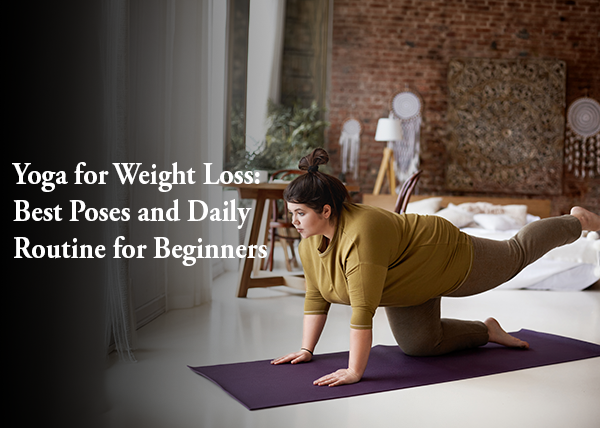
Losing weight can feel challenging, especially when intense workouts and strict fitness routines are difficult to maintain. For beginners looking for a gentle and sustainable way to become more active, yoga can be a helpful starting point. It combines physical movement, strength, flexibility, and mindful breathing, making it suitable for different fitness levels.
Practising yoga for weight loss can support a healthy lifestyle by increasing physical activity, strengthening muscles, and encouraging better body awareness. Unlike workouts that focus mainly on intensity, yoga allows beginners to progress gradually while improving balance and mobility.
However, yoga alone does not guarantee weight loss. Lasting results generally depend on a combination of regular physical activity, balanced nutrition, adequate sleep, and healthy daily habits.
This guide explores the best yoga poses for weight loss, explains how they support fitness, and provides a simple daily yoga routine that beginners can follow at home.
Can Yoga Really Help with Weight Loss?
Yes, yoga can support weight loss when it is practised regularly alongside healthy lifestyle habits. Different yoga styles involve different levels of physical effort. Gentle yoga focuses on flexibility, breathing, and relaxation, while more active styles, such as Vinyasa and Power Yoga, involve continuous movement and greater muscular effort.
Weight loss generally occurs when the body uses more energy than it receives from food and drinks over time. Yoga contributes to daily energy expenditure, particularly when sessions involve active movement and challenging poses. It may also help people become more aware of their eating habits and maintain a regular exercise routine.
According to the National Center for Complementary and Integrative Health, research suggests that yoga-based programs may support improvements in body weight and body composition, although results vary. Programs that combine regular yoga practice with dietary changes and longer-term consistency tend to offer greater benefits.
For beginners, yoga is valuable because it can provide a manageable introduction to exercise. Rather than focusing on rapid weight loss, a consistent practice can help build strength, confidence, and healthier movement habits.
How Does Yoga Support Healthy Weight Management?
Yoga supports weight management through several physical and behavioural benefits. While no single pose can remove body fat from a specific area, regular practice can contribute to overall fitness and a more active lifestyle.
Improves Muscle Strength and Endurance
Many yoga poses require the body to hold its weight in standing, balancing, or floor-based positions. Poses such as Plank, Chair Pose, and Warrior II engage multiple muscle groups, including the legs, arms, shoulders, and abdomen.
Over time, these movements can improve muscular endurance and make everyday physical activities feel easier. Maintaining muscle strength is also an important part of a balanced fitness routine.
Encourages Regular Physical Activity
One of the biggest challenges with exercise is maintaining consistency. Yoga can be adapted to different fitness levels, allowing beginners to start with short sessions before progressing to longer practices.
A person who begins with 15 minutes of yoga may gradually feel comfortable practising for 30 minutes or adding other activities such as walking, cycling, or swimming.
Helps Manage Stress
Stress can influence sleep, appetite, and daily habits. Yoga combines controlled movement with breathing and relaxation techniques, which may help people manage everyday stress.
A calmer routine can make it easier to follow healthy habits, although yoga should not be viewed as a direct solution to stress-related weight gain.
Supports Better Sleep and Recovery
Adequate sleep is an important part of weight management and overall health. Gentle yoga and breathing exercises may promote relaxation, making them useful additions to an evening routine.
Sleep, nutrition, physical activity, and stress management all contribute to maintaining a healthy weight.
Improves Flexibility and Balance
Yoga stretches and strengthens different muscle groups while encouraging better posture and coordination. Improved flexibility and balance can help beginners feel more comfortable during exercise.
These benefits may also make it easier to participate in other physical activities that support overall weight management.
10 Best Yoga Poses for Weight Loss for Beginners
The best yoga poses for weight loss are those that beginners can practise comfortably and consistently. A balanced routine should include movements that activate large muscle groups, improve stability, and encourage controlled breathing.
The following 10 poses can be combined into a beginner-friendly yoga workout at home.
1. Sun Salutation (Surya Namaskar)
Sun Salutation is a flowing sequence of yoga movements that combines stretching, strength, and breathing. It is often included in active yoga routines because it involves several muscle groups and creates continuous movement.
A typical Sun Salutation includes standing stretches, forward bends, lunges, Plank, and gentle backbends. Moving between these positions engages the arms, legs, shoulders, and core while encouraging coordination.
Beginners can start with two or three slow rounds, taking breaks whenever necessary. With regular practice, the number of rounds can gradually increase according to comfort and fitness level.
Sun Salutation can be a useful component of a yoga routine for weight loss because it combines mobility and muscular activity. However, beginners should learn the individual movements before attempting a faster flow.
2. Chair Pose (Utkatasana)
Chair Pose is a standing yoga posture that mainly engages the thighs, glutes, and core muscles. It resembles sitting back into an imaginary chair while keeping the arms raised.
To practise, the person stands with feet approximately hip-width apart, bends the knees, and gently moves the hips backward. The arms can extend overhead or remain in front of the chest for better balance. The position can be held for 15–30 seconds before slowly returning to standing.
Chair Pose builds lower-body strength and muscular endurance. It can be particularly useful for beginners who want to introduce strengthening exercises into their daily yoga routine.
People with knee discomfort can reduce the depth of the bend or use a wall for support.
3. Warrior II Pose (Virabhadrasana II)
Warrior II is a standing posture that strengthens the legs and develops balance, stability, and body awareness. It also encourages gentle stretching through the hips and inner thighs.
The pose begins with the feet placed wide apart. One foot turns outward while the front knee bends over the ankle. Both arms extend sideways at shoulder height, and the gaze rests over the front hand.
Holding Warrior II for 20–30 seconds on each side activates the lower-body muscles and encourages steady breathing. Beginners can shorten the stance or reduce the knee bend to make the position more comfortable.
This pose is a helpful addition to a beginner yoga workout because it combines strength, balance, and concentration.
4. Plank Pose (Phalakasana)
Plank Pose is an effective bodyweight exercise for developing core strength and upper-body stability. It engages the abdominal muscles, shoulders, chest, arms, and legs.
To perform the pose, beginners can start on hands and knees before extending the legs backward. The hands remain under the shoulders while the body forms a relatively straight line from the head to the heels.
Holding Plank for 10–20 seconds is a reasonable starting point. As strength improves, the duration can gradually increase.
Although Plank Pose strengthens the abdominal muscles, it does not specifically burn belly fat. Body fat reduction happens throughout the body according to individual factors, rather than through exercises targeting one area.
Beginners can keep the knees on the mat for a modified version.
5. Downward-Facing Dog (Adho Mukha Svanasana)
Downward-Facing Dog is a common yoga pose that stretches the back of the body while engaging the shoulders and arms.
The position begins on hands and knees. The hips gradually lift upward and backward, creating an inverted V shape. The knees can remain slightly bent, and the heels do not need to touch the floor.
This movement encourages flexibility in the calves, hamstrings, and shoulders while improving upper-body endurance.
Beginners can hold the pose for 15–30 seconds before returning to a resting position. It is especially useful between more active poses, although individuals with wrist pain or discomfort when the head is lowered may require a supported alternative.
6. Bridge Pose (Setu Bandhasana)
Bridge Pose is a floor-based yoga exercise that strengthens the glutes, back, and legs while encouraging hip mobility.
To practise, the person lies on the back with knees bent and feet flat on the mat. The hips slowly lift upward while the shoulders remain supported on the floor. After holding the position for 15–30 seconds, the hips return gently to the mat.
Bridge Pose can help beginners improve strength around the hips and lower body. It may also be useful for people who spend long hours sitting, as it encourages movement through the front of the hips.
The height of the lift should remain comfortable, without excessive pressure on the neck or lower back.
7. Boat Pose (Navasana)
Boat Pose focuses on strengthening the abdominal muscles and improving balance. It can feel challenging for beginners because it requires the core and hip muscles to work together.
The pose begins in a seated position with knees bent and feet resting on the mat. The upper body leans slightly backward while the spine remains comfortably extended. One or both feet can gradually lift from the floor, and the hands may stay behind the thighs for support.
Beginners can hold the position for 10–15 seconds before resting.
Boat Pose supports core strength and stability, but it should not be promoted as a method of directly reducing stomach fat. Regular activity, nutrition, and overall lifestyle habits play a greater role in body fat reduction.
8. Cobra Pose (Bhujangasana)
Cobra Pose is a gentle backbend that activates the back muscles and stretches the front of the upper body.
The person begins by lying on the stomach with the palms near the lower ribs. While keeping the elbows close to the body, the chest lifts slightly from the mat using the back muscles and light support from the hands.
The movement should remain gentle, with no pressure to straighten the arms completely.
Cobra Pose is useful in a balanced yoga sequence because it encourages spinal movement and helps develop awareness of back strength. However, it is not a major calorie-burning exercise on its own.
Beginners can hold the position for 10–20 seconds before lowering the body slowly.
9. Low Lunge Pose (Anjaneyasana)
Low Lunge stretches the hip flexors while engaging the muscles responsible for balance and stability.
The pose begins by stepping one foot forward from a hands-and-knees position while keeping the opposite knee on the floor. The chest gradually lifts, and the hands can rest on the front thigh.
Holding the stretch for 20–30 seconds on each side encourages mobility around the hips, which may be particularly beneficial for people with sedentary routines.
Low Lunge is a good addition to a yoga practice because comfortable hip movement can support walking, standing, and other daily activities.
A folded blanket under the back knee can provide extra comfort.
10. Tree Pose (Vrikshasana)
Tree Pose is a balancing posture that strengthens the standing leg and encourages concentration.
To practise, beginners stand upright and slowly shift their weight onto one foot. The opposite foot rests against the standing ankle or inner calf, avoiding direct pressure on the knee. The hands can remain together in front of the chest.
The position can be held for 15–30 seconds before switching sides.
Tree Pose does not require intense physical effort, but it develops stability, body awareness, and concentration. Including balance exercises helps create a more complete fitness routine.
Beginners can practise near a wall or chair for additional support.
Best Daily Yoga Routine for Weight Loss at Home
A structured routine helps beginners understand how to combine different yoga poses into a manageable workout. The goal is to practise regularly without placing unnecessary pressure on the body.
A 30-minute beginner yoga routine can include a gentle warm-up, active movements, strengthening postures, and relaxation.
Morning Warm-Up: 5 Minutes
A morning session can begin with gentle neck movements, shoulder rolls, ankle circles, and Cat-Cow Pose. These movements help prepare the joints and muscles for the workout.
The warm-up should feel comfortable and controlled. Beginners should avoid sudden movements or forcing tight muscles into deep stretches.
Active Yoga Flow: 10 Minutes
After warming up, beginners can practise two or three slow rounds of Sun Salutation, followed by Chair Pose and Warrior II.
These movements engage large muscle groups and provide a more active part of the session. Beginners can pause between poses to maintain comfortable breathing.
Continuous movement may increase physical effort, but intensity should remain appropriate for the individual’s experience.
Strength and Balance: 10 Minutes
The next part of the routine can include Plank Pose, Boat Pose, Bridge Pose, Low Lunge, and Tree Pose.
Each position can be held briefly, with rest between movements. Both sides of the body should receive equal attention where applicable.
This section focuses on muscular endurance, core stability, and balance rather than speed.
Cool-Down and Breathing: 5 Minutes
The session can finish with gentle stretching, Child’s Pose, and slow breathing in a comfortable seated or lying position.
Relaxation helps create a calm ending to the workout and allows beginners to notice how their bodies feel after movement.
This 30-minute sequence is a starting routine, not a guaranteed weight-loss program. As fitness improves, it can be combined with walking, cycling, swimming, or other suitable activities.
How Often Should Beginners Do Yoga for Weight Loss?
Beginners can start by practising yoga three or four days per week. This allows time to learn the poses, build confidence, and adjust to regular physical movement.
After a few weeks, those who feel comfortable may increase the frequency to five or six days per week, alternating more active sessions with gentle stretching or restorative yoga.
Daily yoga does not need to be intense. A shorter, gentle practice can still help maintain consistency on recovery days.
For overall health, adults are generally advised to aim for at least 150 minutes of moderate-intensity aerobic activity per week, along with muscle-strengthening activities on at least two days. Gentle yoga may not provide sufficient aerobic activity to meet these recommendations on its own, so including activities such as brisk walking can be helpful.
Which Type of Yoga Is Best for Weight Loss?
Different yoga styles offer different levels of physical activity. Choosing the right style depends on fitness, flexibility, preferences, and experience.
Hatha Yoga for Beginners
Hatha Yoga generally focuses on individual poses, steady breathing, and controlled movement. Classes often progress at a slower pace, making this style accessible to beginners.
Although Hatha Yoga may involve less continuous movement than more active styles, it can help build the flexibility, balance, and strength needed for a consistent exercise routine.
Vinyasa Yoga for Active Movement
Vinyasa Yoga connects poses through flowing movements coordinated with breathing. The continuous transitions can make sessions more physically demanding than slower yoga practices.
Vinyasa may appeal to beginners who have developed basic yoga skills and want to gradually increase activity levels. Beginners should start with a gentle or introductory class.
Power Yoga for Strength and Endurance
Power Yoga usually involves more challenging postures and faster transitions. It can place greater demands on the muscles and cardiovascular system.
This style may be suitable once beginners have developed enough strength, mobility, and understanding of basic poses. It is not necessary to begin with Power Yoga to work toward healthy weight management.
Restorative Yoga for Relaxation
Restorative Yoga focuses on comfortable supported positions, slow breathing, and relaxation. It generally involves less physical activity than active yoga styles.
Although it is unlikely to contribute substantially to calorie expenditure, restorative practice may support stress management and healthy daily routines.
A balanced approach can include both active yoga sessions and gentler practices.
Can Yoga Help Reduce Belly Fat?
Yoga can support overall weight management, but no particular yoga pose can selectively remove fat from the stomach.
Poses such as Plank, Boat Pose, and Bridge Pose strengthen muscles around the abdomen and torso. Stronger core muscles can improve stability and posture, but muscular strengthening is different from losing fat in a specific area.
Reducing overall body fat generally requires a sustainable combination of nutrition, physical activity, and other healthy habits. Where the body loses fat first is influenced by factors such as genetics, age, and individual physiology.
Instead of concentrating only on belly fat, beginners can focus on improvements in stamina, strength, mobility, and consistency.
Best Time to Practise Yoga for Weight Loss
Yoga can be practised in the morning or evening, depending on personal schedules and comfort.
Morning yoga may help establish a consistent exercise habit before work or daily responsibilities begin. Gentle stretches can also reduce feelings of stiffness after sleeping.
Evening yoga may be more convenient for people who feel physically active later in the day. A slower session can provide relaxation after long periods of sitting or working.
There is no reliable basis for claiming that yoga automatically burns more fat at a particular time of day. The most useful schedule is one that can be maintained regularly.
Beginners should also avoid intense yoga immediately after a heavy meal and allow sufficient time for comfortable digestion.
Healthy Lifestyle Habits That Support Yoga for Weight Loss
Yoga works best as part of a broader approach to health. Exercise alone may not lead to meaningful weight loss if nutrition, sleep, and everyday activity are overlooked.
Follow a Balanced Diet
A balanced eating pattern provides the nutrients needed for energy, muscle function, and recovery. Meals can include vegetables, fruits, whole grains, protein-rich foods, and healthy fats.
People working toward weight loss generally need an appropriate energy balance, but extreme dieting and unnecessary food restrictions can make healthy habits difficult to maintain.
The National Institute of Diabetes and Digestive and Kidney Diseases recommends sustainable eating and activity habits for weight loss and weight maintenance.
Stay Physically Active Throughout the Day
A short yoga session is beneficial, but daily movement should not end when the mat is rolled away.
Walking, using stairs when appropriate, cycling, gardening, and taking movement breaks can all contribute to an active lifestyle.
Combining yoga with aerobic activity helps create a more complete exercise program.
Get Enough Sleep
Sleep supports overall health, recovery, and the ability to maintain daily routines. Consistent sleep habits can make it easier to manage physical activity and eating patterns.
Yoga may help some people relax, but it should complement rather than replace healthy sleep practices.
Stay Consistent with Exercise
Progress depends on regular habits rather than occasional intense workouts.
Beginners can gradually increase the time spent practising yoga, explore different poses, and monitor improvements in strength and flexibility.
Small, sustainable changes are generally more practical than attempting difficult workouts immediately.
Common Mistakes Beginners Make During Weight Loss Yoga
Beginners sometimes expect yoga to produce rapid changes in body weight. However, weight management usually takes time, and progress is affected by multiple lifestyle and health factors.
Another common mistake is choosing advanced poses before learning proper alignment. Difficult balancing postures and deep stretches can increase the risk of discomfort or injury when performed without sufficient preparation.
Skipping warm-ups, holding the breath, and forcing flexibility can also make yoga less comfortable.
Beginners should avoid comparing their progress with others. Individual differences in strength, mobility, health, and experience mean that the same routine may feel very different from person to person.
Most importantly, yoga should not be treated as punishment for eating or as a way to achieve a particular body shape at any cost. A healthier approach focuses on gradual improvement, sustainable movement, and overall well-being.
People with existing injuries, cardiovascular conditions, significant joint problems, or other medical concerns should consult an appropriate healthcare professional before beginning a new exercise routine. Pregnant practitioners should seek pregnancy-appropriate modifications from qualified professionals.
Why Guided Yoga Classes Can Help Beginners
Learning yoga through guided classes can make it easier to understand posture, breathing, and movement techniques.
A qualified instructor can suggest modifications based on flexibility, strength, and physical limitations. This guidance is particularly valuable when beginners are learning weight-bearing poses such as Plank or transitioning into more active yoga flows.
Structured yoga classes can also provide encouragement and accountability, helping individuals maintain regular practice.
For people interested in building a consistent routine, Canada Yoga Studio provides a starting point for exploring yoga practice and instruction. Beginners can look for classes suited to their experience, mobility, and personal fitness goals rather than focusing only on weight loss.
Frequently Asked Questions About Yoga for Weight Loss
Is yoga good for weight loss for beginners?
Yes, yoga can be a useful form of physical activity for beginners. It helps develop strength, flexibility, balance, and exercise consistency. More active yoga styles may contribute to greater energy expenditure, while sustainable weight loss typically also requires appropriate nutrition and other healthy habits.
Can 30 minutes of yoga a day help with weight loss?
Thirty minutes of yoga each day can support an active lifestyle, particularly when sessions include flowing movements and strengthening poses. However, weight loss depends on total activity, eating patterns, health, and individual energy needs. A daily yoga practice does not guarantee a specific amount of weight loss.
Which yoga pose is best for losing belly fat?
No single yoga pose specifically removes belly fat. Plank Pose, Boat Pose, and Bridge Pose can strengthen the abdominal and supporting muscles, but overall fat reduction depends on broader lifestyle factors.
Can beginners lose weight with yoga at home?
Yes, beginners can include home yoga as part of a weight-management routine. Starting with simple poses and following a structured schedule can help build consistency. Guided videos or instructor-led online classes may also help beginners learn suitable techniques.
How long does yoga take to show weight-loss results?
There is no fixed timeline for weight loss through yoga. Results vary depending on practice frequency, workout intensity, nutrition, sleep, physical health, and other individual factors. Some people notice improvements in mobility or strength before observing changes in body weight.
Is Hatha Yoga or Power Yoga better for weight loss?
Power Yoga generally involves greater physical effort and may use more energy during a session. Hatha Yoga is often more accessible for beginners and can help establish good technique. The better choice depends on fitness level, physical limitations, and which style a person can practise consistently.
Should beginners practise yoga every day?
Beginners can practise gentle yoga frequently if it feels comfortable, but demanding sessions should allow adequate recovery. Starting three or four times per week and gradually increasing activity is a reasonable approach.
Is yoga alone enough for weight loss?
Yoga may support weight loss, but combining it with balanced nutrition, adequate sleep, and additional physical activity generally provides a more complete approach. Brisk walking and other aerobic exercises can complement yoga, particularly when weight management is a primary goal.
Conclusion
Yoga for weight loss offers beginners a practical way to develop healthier movement habits without immediately attempting intense exercise. Poses such as Sun Salutation, Chair Pose, Warrior II, Plank, and Boat Pose can help improve strength and endurance, while gentler movements support flexibility, balance, and relaxation.
A consistent 20–30-minute yoga routine can be a useful starting point for building fitness. However, sustainable weight management involves more than exercise alone. Balanced nutrition, sufficient sleep, regular physical activity, and realistic expectations remain important.
For beginners, the most effective yoga routine is one that feels comfortable, enjoyable, and manageable over time. With patience, consistent practice, and appropriate guidance, yoga can become a meaningful part of a healthier lifestyle.