
Yoga Retreats for Beginners in Canada: Which One Should You Book First?
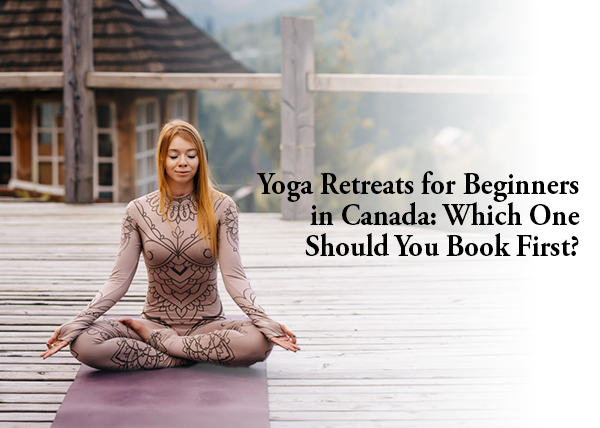
You do not need years of yoga experience to go on a retreat.
For most people searching for yoga retreats for beginners in Canada, the real question is not whether they are “good enough” at yoga. It is deciding what kind of retreat makes sense for a first experience: a single day, a weekend, or several days away.
For many complete beginners, a well-structured one-day or short weekend yoga retreat can be the easiest place to start. You get time for yoga, mindfulness, meditation, wellness activities and connection without immediately committing to a long trip or several nights away.
This guide explains what happens at a beginner yoga retreat, how different retreat formats compare, what to check before booking, and how to decide which option is right for you.
Can a Complete Beginner Go on a Yoga Retreat?
Yes.
You do not need advanced flexibility, perfect balance or years of yoga classes behind you to attend a beginner-friendly retreat.
A good retreat should make it clear that participants can work at their own level.
For a first retreat, look for a program where:
- Previous yoga experience is not required
- Movement can be modified
- Participants are allowed to pause or rest
- The schedule includes breaks
- Beginners and experienced practitioners are both welcome
- Solo participants can attend comfortably
- You can ask questions before registering
A yoga retreat should not feel like a competition.
You are not there to perform the most difficult pose in the room. For many people, the experience is simply an opportunity to step away from their usual routine and spend focused time on movement, rest, mindfulness and personal wellbeing.
What Actually Happens at a Beginner Yoga Retreat?
There is no universal retreat schedule, but many beginner-friendly yoga retreats in Canada combine several types of activities rather than filling the entire day with yoga classes.
Depending on the retreat, your schedule may include:
- Morning yoga or mindful movement
- Breathing practices
- Guided meditation
- Mindful or silent walking
- Wellness conversations
- Vegetarian or sattvic meals
- Rest periods
- Nature time
- Sound-based relaxation
- Group or community activities
Some retreats are calm and restorative. Others include more active yoga, hiking, workshops or social activities.
That is why checking the actual schedule matters.
A retreat labelled “beginner-friendly” can still feel very different depending on the pace, location and number of activities planned each day.
One-Day vs Weekend vs 3–5 Day Yoga Retreats
One of the biggest decisions for a first-time guest is how long to go away for.
Here is a simple comparison.
| Retreat Type | Typical Commitment | Best For | Overnight Stay | Beginner Consideration |
| One-Day Retreat | One full day | Complete beginners, local attendees and people testing the retreat experience | No | Lowest commitment and easiest way to see whether retreats suit you |
| Weekend Retreat | Around 2–3 days | People who want more time to disconnect and experience several practices | Usually | Gives more immersion while remaining manageable for many first-timers |
| 3–5 Day Retreat | Several days | People looking for deeper immersion or a dedicated wellness trip | Usually | Requires more time, planning and budget |
Longer does not automatically mean better.
The right first retreat depends on:
- Your comfort level
- Available time
- Budget
- Travel distance
- Accommodation
- Schedule intensity
- Activities offered
- What you personally want from the experience
If the thought of spending several days at a retreat makes you hesitate, starting with a one-day experience is completely reasonable.
Which Yoga Retreat Should You Book First?
There is no single retreat length that works for everyone.
Use your comfort level and expectations to decide.
Choose a One-Day Retreat If…
A one-day retreat may suit you if:
- This will be your first retreat
- You are unsure whether retreat-style experiences are for you
- You feel nervous about group activities
- You do not want overnight accommodation
- You prefer a smaller time commitment
- You live within practical travelling distance
- You want to experience yoga, mindfulness and wellness activities before booking something longer
For complete beginners, this is often the simplest introduction.
Choose a Weekend Retreat If…
A weekend retreat may suit you if:
- You want more time away from your normal routine
- You are comfortable staying overnight
- You want multiple yoga or meditation sessions
- You want more time for rest and nature
- Travelling for only one day would not be practical
Two or three days can offer more immersion without requiring a full week away.
Choose a 3–5 Day Retreat If…
A longer retreat may make sense if:
- You already know you enjoy retreat environments
- You want a dedicated wellness trip
- You are comfortable with several days of structured activities
- You have the required time and budget
- You are travelling a significant distance and want a longer experience
A multi-day retreat can be rewarding, but you do not need to start there.
8 Things Beginners Should Check Before Booking a Yoga Retreat
Do not book based only on beautiful mountain photos.
Read the practical details first.
1. Is It Actually Beginner-Friendly?
Look for clear statements about experience levels.
“Suitable for everyone” is less useful than a retreat specifically explaining that beginners are welcome and previous yoga experience is not required.
2. How Demanding Is the Yoga?
Find out what styles are included.
A Hatha-based session may feel different from an intensive Ashtanga or Vinyasa schedule.
If the retreat page is unclear, ask the organizer.
3. Can Activities Be Modified?
A beginner-friendly retreat should allow participants to choose appropriate variations, take breaks or observe when needed.
You should not feel pressured to keep up with everyone else.
4. What Is Included in the Price?
Check whether your registration includes:
- Yoga sessions
- Workshops
- Meals
- Equipment
- Accommodation
- Transportation
- Special activities
The retreat fee is not always the total trip cost.
5. Are Meals Included?
Some retreats provide all meals, while others include only certain meals.
Also ask about dietary requirements if necessary.
6. Is Accommodation Included?
This matters particularly for weekend and multi-day retreats.
Accommodation may be:
- Included
- Charged separately
- Available at a discounted partner rate
- Entirely your responsibility
Confirm this before calculating your budget.
7. Is There Enough Rest Time?
More activities do not automatically create a better retreat.
A packed schedule can become tiring, particularly if you are new to yoga retreats.
Look for a reasonable balance between structured experiences and quieter time.
8. Can You Attend Alone?
If you are considering going solo, look for retreats that actively welcome individual guests.
A good retreat should create opportunities for connection without forcing constant social participation.
Also Check Before Paying
Confirm:
- Cancellation and refund policy
- Payment terms
- Dietary options
- Accessibility requirements
- What equipment to bring
- Transportation
- Weather considerations
- Photography or media policies
- Health information the organizers need in advance
These details can make a big difference to your experience.
Is It Okay to Attend a Yoga Retreat Alone?
Yes.
You do not need to convince a friend or partner to attend your first yoga retreat with you.
Going alone can actually make planning easier because you are choosing the experience around your own schedule and interests.
A well-organized retreat should balance community with personal space.
You should be able to:
- Meet other attendees naturally
- Eat or participate with the group
- Take quieter moments when needed
- Decline activities you are uncomfortable with
- Maintain your own personal boundaries
You should never feel pressured to share personal experiences, participate in physical contact or join every social activity.
Canada Yoga Studio’s Spirit Peak Retreat in Banff welcomes first-timers, friends, couples and solo guests, making it an option to consider if attending alone has been one of your concerns.
What If You Are Not Flexible or “Good” at Yoga?
This is one of the biggest worries first-time retreat guests have.
Flexibility is not an entry requirement for yoga.
You do not need to:
- Touch your toes
- Perform inversions
- Hold complicated balances
- Know Sanskrit pose names
- Have a regular yoga practice
A beginner-friendly retreat should provide movement options for different bodies and experience levels.
It should also be acceptable to pause or rest.
Spirit Peak, for example, specifically states that no flexibility, yoga experience or dance experience is required, and participants are given permission to pause, adapt or observe.
That is the type of information worth looking for when comparing beginner yoga retreats.
What Should You Bring to Your First Yoga Retreat?
Your packing list will depend on the retreat and location.
For a mountain-based retreat around Banff, useful items may include:
- Yoga mat
- Personal yoga props if you use them
- Refillable water bottle
- Comfortable clothes for movement
- Warm removable layers
- Rain-ready outerwear
- Comfortable walking shoes
- Small towel
- Optional eye pillow
- Personal medication
- Notebook and pen
Mountain weather can change quickly, so layers are particularly important.
Always use the organizer’s official packing instructions as your final checklist.
A Beginner-Friendly Yoga Retreat in Banff: Spirit Peak
If spending an entire weekend or several days away feels like too much for your first retreat, a one-day experience can be a more approachable introduction.
Canada Yoga Studio’s Spirit Peak Retreat is a one-day mountain retreat at Banff Rocky Mountain Resort in Banff, Alberta.
The upcoming retreat is scheduled for:
Sunday, October 4, 2026
8:00 AM–4:30 PM
The experience welcomes beginners as well as people with an established yoga practice.
No particular level of flexibility or previous yoga experience is required.
The day combines several experiences rather than focusing only on physical yoga.
Participants can expect:
- A welcoming arrival and introduction
- Hatha and Ashtanga-inspired yoga
- Sattvic breakfast
- Guided outdoor walking meditation
- A trauma-informed wellness conversation around stress, awareness and grounding
- Sattvic lunch
- A body-awareness experience
- Sound healing
- A closing social session with music and optional movement
Participants are encouraged to adapt, pause or observe according to their own comfort level.
Spirit Peak at a Glance
| Detail | Information |
| Date | Sunday, October 4, 2026 |
| Time | 8:00 AM–4:30 PM |
| Location | Banff, Alberta |
| Venue | Banff Rocky Mountain Resort |
| Format | One-day retreat |
| Experience Level | Beginners welcome |
| Yoga Experience Required? | No |
| Meals | Sattvic breakfast and lunch included |
| Main Experiences | Yoga, walking meditation, wellness conversation, sound healing and community activities |
| Suitable For | First-timers, experienced practitioners, solo guests, friends and couples |
| Parking | Complimentary on-site parking |
| Registration | Full payment and registration are required to confirm a place |
Current retreat details can change, so check the official retreat page before making travel arrangements.
Thinking About Your First Retreat?
If you want to experience yoga, mindfulness, sound and community without immediately committing to several nights away, explore the current Spirit Peak schedule and retreat details.
Explore the Spirit Peak Retreat →
Mindfulness, Stress and Emotional Wellbeing at a Retreat
People come to retreats for different reasons.
Some simply want to practise yoga somewhere new. Others are looking for space away from busy schedules, work demands or everyday stress.
Yoga, breathing practices, meditation, mindful walking and sound-based relaxation can all become part of a broader personal wellness routine.
A retreat can provide structured time to slow down and pay closer attention to how you move, breathe and respond to your environment.
However, a yoga or wellness retreat is not a replacement for professional mental-health or medical care.
If you are managing anxiety, depression, trauma or another health condition, continue following appropriate professional advice and choose retreat activities according to your individual needs.
Travelling to a Retreat From Calgary, Toronto or Vancouver
Your home city can affect which retreat format makes the most sense.
Coming From Calgary or Elsewhere in Alberta?
A one-day Banff retreat may be easier to plan because you may not need a multi-night stay.
You still need to consider:
- Travel time
- Road and weather conditions
- Whether you want accommodation before or after the retreat
- What time you need to leave home
Coming From Toronto, Vancouver or Another Province?
Travelling a long distance for a single-day retreat requires more planning.
Consider:
- Flights
- Airport transfers
- Accommodation
- Total travel time
- Weather
- Total trip cost
If you are already travelling a significant distance, a weekend or multi-day retreat may offer better value for your time.
The right decision depends on your priorities rather than simply choosing the longest retreat available.
What If You Want a Multi-Day Yoga Retreat?
If you decide that you are comfortable with a longer experience, Canada Yoga Studio also offers The Heart of Yoga Traditions on Vancouver Island.
The current retreat takes place in Parksville, Vancouver Island, from November 21–23, 2026.
It is a 3-day, 2-night experience combining yoga, pranayama, meditation, Ayurveda-focused workshops, sattvic plant-based meals, nature, sound healing, chanting and community.
Accommodation is not included in the retreat fee, although special hotel rates are available for participants.
You can explore the Vancouver Island yoga retreat here.
For someone completely new to retreats, however, there is nothing wrong with starting smaller and deciding later whether a multi-day experience suits you.
Frequently Asked Questions About Yoga Retreats for Beginners
Are yoga retreats suitable for complete beginners?
Yes, provided you choose a retreat that clearly welcomes beginners and allows practices to be adapted. Check the experience requirements before booking rather than assuming every retreat is suitable for someone new to yoga.
Do I need to be flexible to attend a yoga retreat?
No. Flexibility should not be a requirement for a beginner-friendly yoga retreat. Good instruction offers different options and allows participants to rest when needed.
Can I attend a yoga retreat alone?
Yes. Many people attend retreats alone. Look for programs that welcome solo participants and provide a balance between group connection and personal space.
What happens at a yoga retreat in Canada?
It depends on the retreat, but activities can include yoga, breathing practices, meditation, nature walks, mindfulness activities, wellness workshops, meals, sound healing and social time.
How long should my first yoga retreat be?
A one-day or weekend retreat can be a practical starting point for many beginners. Choose a duration that feels comfortable based on your available time, budget and willingness to stay away from home.
Is a one-day yoga retreat worth it?
It can be, particularly if this is your first retreat. A one-day format gives you an opportunity to experience yoga, mindfulness, group activities and retreat-style programming without committing to several days away.
What should I bring to a yoga retreat?
Typical items include comfortable clothing, a yoga mat if required, a refillable water bottle, weather-appropriate layers, walking shoes and any personal medication. Always check the retreat’s official packing list.
Are meals included in yoga retreats?
It varies.
Some retreats include all meals, while others include only certain meals or require participants to arrange their own food.
Spirit Peak currently includes a sattvic breakfast and lunch.
Are yoga retreats only about yoga?
No.
Many retreats combine physical yoga with meditation, breathing practices, nature, wellness discussions, meals, rest, sound-based practices and community experiences.
Where can beginners find a yoga retreat near Calgary or Banff?
Canada Yoga Studio’s Spirit Peak Retreat takes place at Banff Rocky Mountain Resort in Banff, Alberta. The one-day experience welcomes beginners and does not require previous yoga experience or a particular level of flexibility.
Ready to Choose Your First Yoga Retreat?
Your first retreat does not have to be the longest, most intensive or most expensive option.
It should be the one that makes you feel comfortable enough to actually attend.
Look for:
- Clear beginner-friendly guidance
- An understandable schedule
- Flexible participation
- Transparent inclusions
- Enough rest
- Activities that genuinely interest you
- A location and duration that work with your lifestyle
If you would like to start with a one-day experience, Canada Yoga Studio’s Spirit Peak Retreat in Banff offers yoga, mindful walking, nourishing meals, wellness activities, sound healing and community in a format designed to welcome first-time participants.
Have questions before registering? Use the enquiry form on the Spirit Peak Retreat page to speak with the Canada Yoga Studio team before making your decision.