
Postpartum Yoga Classes in Calgary: A Gentle Guide to Recovery After Birth

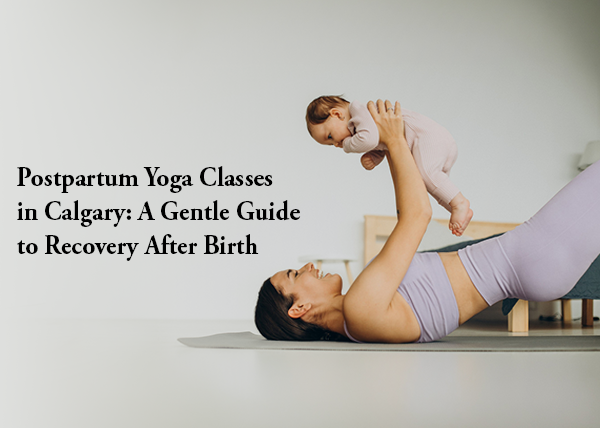
The weeks and months after giving birth bring more physical change than almost any other stretch of life: sore muscles, disrupted sleep, a core and pelvic floor that no longer feel familiar, and very little time left over for yourself. Postpartum yoga classes in Calgary offer a way back into your body that doesn’t ask you to “bounce back,” just to move gently, rebuild strength at your own pace, and get a bit of breathing room in an otherwise full-on stage of life.
This guide covers when it’s safe to start, what a postpartum yoga class actually involves, how it differs from a regular yoga class, and what to look for if you’re searching for postpartum yoga near you in Calgary.
What Is Postpartum Yoga?
Postpartum yoga (sometimes called postnatal yoga) is a style of yoga designed specifically for the body after childbirth. Rather than focusing on flexibility or intensity, classes centre on rebuilding core and pelvic floor strength, easing tension in the shoulders, neck, and hips from feeding and carrying a baby, and supporting emotional wellbeing during a period that can be physically exhausting and emotionally overwhelming.
Unlike a general beginner or Hatha yoga class, postpartum yoga is sequenced around how the body actually heals: deep core work is reintroduced gradually, certain poses are avoided or modified depending on how birth went, and there’s typically more attention paid to breath, pelvic floor engagement, and posture than to achieving a “full” pose.
When Can You Start Postpartum Yoga?
This is the question almost every new mother asks first, and the honest answer is: it depends on your birth, your recovery, and your healthcare provider’s guidance.
As a general guideline, most people are advised to wait until after their six-week postpartum check-up and receive clearance from their doctor or midwife before starting structured exercise, including yoga. Recovery from a Caesarean birth typically takes longer, and many practitioners recommend waiting eight to twelve weeks, or longer, depending on how the incision has healed.
Before that point, gentle breathing exercises, short walks, and pelvic floor awareness (not necessarily active Kegels, and this should also be guided) are usually considered safe for most people, but this varies person to person. A few things worth discussing with your doctor or a pelvic floor physiotherapist before starting a class:
- Whether you have diastasis recti (a separation of the abdominal muscles), which is common after pregnancy and changes which core movements are appropriate
- Any pelvic floor symptoms, such as heaviness, leaking, or pain
- How your incision or perineal area has healed, if applicable
- Any ongoing bleeding, pain, or complications from the birth
Postpartum yoga classes that are genuinely built for this stage, rather than a regular class you’re told is “fine for beginners,” will usually ask about these details before you start, and a good instructor will offer modifications rather than pushing everyone through the same sequence.
What to Expect in a Postpartum Yoga Class
Every studio structures classes a little differently, but a well-designed postpartum program generally moves through recovery in phases rather than treating week six and month six the same way. A typical progression looks something like this:
| Stage | Approximate Timing | Focus |
| Restore & Reconnect | Early weeks/months back to movement | Breathwork, gentle mobility, pelvic floor awareness, reducing tension from feeding and carrying |
| Rebuild Strength & Stability | Once cleared and comfortable | Reintroducing core engagement, posture, hip and back support, low-impact strength work |
| Transform & Thrive | Later stage of recovery | Building sustainable strength and energy, deeper stretches, longer holds, more traditional yoga flow |
Sessions tend to be gentler in pace than a typical vinyasa or power class, with more cueing around breath and pelvic floor connection. Many studios also offer both in-studio and online formats, which matters more than it might seem: getting to a class with a new baby, unpredictable naps, and Calgary’s winter weather is its own challenge, so having an online option can be the difference between attending consistently and not attending at all.
Postpartum Yoga vs. a Regular Yoga Class
New parents often ask whether they can just ease back into their old yoga class instead of a dedicated postpartum program. The short answer is that a general class isn’t built with postpartum recovery in mind, and that matters more than it might seem:
- Sequencing: Regular classes aren’t sequenced around diastasis recti, pelvic floor recovery, or C-section healing, so poses that are perfectly safe for most students may not be appropriate for a body that’s a few weeks or months postpartum.
- Pace: Postpartum classes are typically slower, with more rest and less emphasis on holding poses for long periods.
- Community: Being in a room (or a video call) with other new mothers who understand the sleep deprivation, the leaking, the “am I doing this right” anxiety, tends to matter as much as the physical practice itself.
- Progression: A good postpartum program builds gradually over weeks, rather than assuming a fixed starting fitness level.
Benefits New Mothers Often Notice
It’s worth being clear that yoga isn’t a treatment for any medical condition, and it isn’t a substitute for care from a doctor or pelvic floor physiotherapist if something feels wrong. What a consistent, well-guided postpartum practice may offer instead is support alongside your recovery. People who practise regularly often report that it:
- Helps them reconnect with their core and pelvic floor at a comfortable pace
- May support gradual improvements in posture, especially after months of feeding and carrying
- Can help ease physical tension in the neck, shoulders, and lower back
- May support relaxation and a calmer nervous system during an emotionally intense stage of life
- Offers a small, protected block of time that belongs to the parent, not the baby
If you’re also managing postpartum anxiety, low mood, or the emotional weight of early parenthood, gentle movement and breathwork can complement, but shouldn’t replace, support from a healthcare provider or mental health professional.
What to Bring to a Postpartum Yoga Class ?
- A yoga mat (most studios have loaner mats, but it’s worth checking)
- A supportive nursing or athletic top you can move in comfortably
- A water bottle
- A small pillow or bolster if you have one, for extra support in seated or reclined poses
- Any notes from your doctor or pelvic floor physiotherapist about movements to avoid
Postpartum Yoga in Calgary: Local Context
Calgary’s long winters and spread-out neighbourhoods make it a genuinely harder city to get to a regular class in the first few months postpartum than somewhere with milder weather or denser transit. Between icy roads, short daylight hours, and a newborn’s schedule, many new mothers in Calgary end up choosing between skipping classes altogether or looking for a studio that also offers an online option they can join from home in Calgary or anywhere else in Canada.
If you’re searching for postpartum yoga near you in Calgary, it’s worth checking whether a studio offers a structured, multi-week program specifically for postpartum recovery (rather than a single drop-in class), whether instructors have experience with postpartum-specific concerns like diastasis recti and pelvic floor recovery, and whether both in-studio and online formats are available so you’re not stuck choosing between attending and staying home with your baby.
Postpartum Yoga at Canada Yoga Studio
Canada Yoga Studio’s postpartum yoga program is built around a 12-week, three-phase structure: Restore & Reconnect, Rebuild Strength & Stability, and Transform & Thrive, designed for mothers who are at least three months postpartum and experiencing core weakness, pelvic floor concerns, fatigue, posture changes, or who are simply looking for a sustainable way back into movement.
The program runs as 12 live sessions over 30 days, three times a week, and is available both in-studio in Calgary and online, with scheduling that works around time zones and the unpredictability of family life. Classes are led by founder Yogini Pallavi alongside a small team of instructors, with a focus on personalized attention rather than a one-size-fits-all sequence.
If a full program feels like more than you’re ready for right now, Canada Yoga Studio’s Prenatal Yoga and Hatha Yoga classes, along with gentler offerings like Sound Healing, can also be a supportive starting point before or after a postpartum-specific program. For mothers looking for a longer reset once they’re feeling ready, Canada Yoga Studio’s wellness retreats run 3 to 5 days and combine yoga, meditation, mindfulness, and sound healing, worth exploring further down the road once you’re past the early postpartum stage. If you’re weighing up whether a retreat fits where you’re at right now, it’s a good idea to ask directly what’s included, such as accommodation and meals, when you enquire.
You can explore the full postpartum yoga program to see current session times and pricing for both the in-studio and online formats.
Frequently Asked Questions
How soon after birth can I start postpartum yoga?
Most guidance suggests waiting until after your six-week postpartum check-up and getting clearance from your doctor or midwife, with a longer wait, often eight to twelve weeks or more, after a Caesarean birth. Always check with your own healthcare provider first, since recovery timelines vary.
Is postpartum yoga in Calgary suitable for complete beginners?
Yes, generally. Postpartum yoga classes are usually designed to be accessible regardless of prior yoga experience, since the focus is on gentle recovery rather than advanced poses.
What’s the difference between postpartum yoga and prenatal yoga?
Prenatal yoga supports the body during pregnancy, while postpartum yoga is sequenced for recovery after birth: rebuilding core and pelvic floor strength, easing new physical tension patterns, and adapting to a changed body.
Can postpartum yoga help with diastasis recti?
A well-sequenced postpartum class will typically avoid movements that can worsen diastasis recti and instead focus on gentle, gradual core reconnection. It’s still worth having diastasis recti assessed by a doctor or pelvic floor physiotherapist, since the right approach depends on the degree of separation.
Do I need to bring my baby to a postpartum yoga class?
This depends on the studio and class format: some offer mother-and-baby sessions, while others are adult-only so you can focus fully on your own recovery. It’s worth checking with the studio directly about what a specific class involves.
Can yoga help with postpartum anxiety or low mood?
Gentle movement and breathwork may support relaxation and a calmer nervous system for some people, but yoga isn’t a treatment for postpartum anxiety or depression. If you’re struggling emotionally, please reach out to your doctor or a mental health professional as well.
How much does postpartum yoga cost in Calgary?
Pricing varies by studio and format. As an example, Canada Yoga Studio’s 12-week postpartum program is available at $80 per month or $448 for the full program, across both in-studio and online formats.
Can I do postpartum yoga online instead of in-studio?
Yes, many Calgary studios, including Canada Yoga Studio, offer postpartum yoga online as well as in-studio, which can make it easier to stay consistent around a newborn’s schedule and Calgary’s winter weather.
Ready to Ease Back Into Movement?
There’s no perfect timeline for postpartum recovery, and no version of this that should feel like pressure to “get your body back.” A gentle, well-guided postpartum yoga practice is simply one way to reconnect with yourself while your body continues healing.
If you’re in Calgary and looking for a structured, supportive place to start, explore Canada Yoga Studio’s postpartum yoga program to see current session details, or reach out to ask any questions about timing, format, or what to expect before your first class.