
10 Benefits of Yoga for Physical and Mental Health

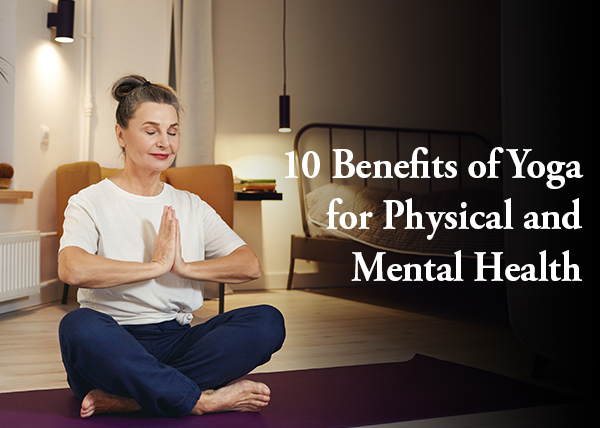
Yoga is more than stretching or performing different body poses. It is a practice that connects physical movement, breathing, and mindfulness to support a healthier body and a calmer mind. People of different ages and fitness levels can practise yoga to improve their overall well-being.
In today’s busy lifestyle, stress, long working hours, poor posture, and limited physical activity can affect both physical and mental health. Yoga offers a gentle and practical way to address many of these everyday challenges.
The benefits of yoga for physical and mental health include improved flexibility, stronger muscles, better balance, reduced stress, improved sleep, and greater emotional awareness. Regular practice can also help people develop healthier habits and become more aware of their bodies.
This article explores ten important health benefits of yoga, explains how the practice works, and shares useful tips for beginners who want to make yoga part of their daily routine.
What Is Yoga and How Does It Improve Health?
Yoga is an ancient practice that originated in India. It combines physical postures, controlled breathing, relaxation, and meditation to support the connection between the body and mind.
Modern yoga classes often focus on three main elements:
- Yoga poses (asanas): Physical movements and positions that help develop flexibility, strength, and balance.
- Breathing exercises (pranayama): Breathing techniques that encourage relaxation and greater awareness of breathing patterns.
- Meditation and mindfulness: Practices that help people focus on the present moment and develop mental awareness.
These elements work together to support physical fitness and emotional well-being.
Unlike some exercise routines that mainly focus on physical performance, yoga encourages people to pay attention to how their bodies feel during movement.
For example, a person practising a gentle forward bend may stretch the muscles around the hips and legs while also focusing on slow, comfortable breathing.
This combination of movement and attention is one reason yoga can support both physical and mental health.
10 Benefits of Yoga for Physical and Mental Health
Regular yoga practice can offer several health benefits. Some improvements, such as feeling relaxed after a session, may be noticed quickly. Other changes, including greater flexibility and strength, usually develop through consistent practice.
1. Improves Flexibility and Mobility
One of the most recognised physical benefits of yoga is improved flexibility.
Flexibility refers to how easily muscles can stretch, while mobility describes how comfortably joints can move through their natural range of motion.
Sitting for long hours, limited movement, and certain daily habits can contribute to muscle tightness. Yoga includes controlled stretches and movements that may gradually improve flexibility and mobility.
For example, people who spend most of their working day sitting at a desk may experience tight hips, shoulders, or hamstrings. Gentle yoga poses can help them move these areas more comfortably.
Helpful yoga poses for flexibility:
- Cat-Cow Pose for gentle spinal movement
- Child’s Pose for stretching the back and hips
- Butterfly Pose for hip mobility
- Standing Forward Bend for stretching the backs of the legs
Flexibility improves gradually, so beginners should avoid forcing their bodies into difficult positions.
A consistent and comfortable practice is generally more useful than attempting advanced stretches too early.
2. Builds Muscle Strength and Endurance
Yoga is not only about stretching. Many yoga poses require muscles to support body weight, maintain stability, and hold positions for several breaths.
These movements can strengthen muscles in the arms, legs, shoulders, back, and abdomen.
For example, holding Plank Pose engages the abdominal muscles, shoulders, and arms. Warrior poses strengthen the legs while encouraging stability and coordination.
Yoga can also improve muscular endurance, which is the ability of muscles to continue working for a period of time.
Helpful yoga poses for strength:
- Plank Pose for core and upper-body strength
- Warrior II for leg strength
- Bridge Pose for the hips and glutes
- Chair Pose for the thighs and lower body
Although yoga can help build functional strength, it may not replace progressive resistance training for people whose main goal is maximum muscle growth.
Combining yoga with other suitable physical activities can provide a more balanced fitness routine.
3. Helps Reduce Stress and Encourages Relaxation
Stress is a common part of modern life. Work responsibilities, family commitments, and daily pressures can leave people feeling mentally and physically tired.
One of the important mental benefits of yoga is its ability to support stress management.
Yoga encourages slower breathing, gentle movement, and focused attention. These practices may help reduce physical tension and promote a feeling of calm.
During stressful situations, the body activates its stress response. Gentle yoga and relaxation exercises can help the body move toward a calmer state.
For example, someone feeling overwhelmed after a busy working day may benefit from a short session that includes gentle stretching, comfortable breathing, and relaxation.
Yoga practices commonly used for stress relief include:
- Child’s Pose
- Corpse Pose (Savasana)
- Gentle seated stretches
- Slow diaphragmatic breathing
- Guided meditation
Even a short yoga session may help some people feel more relaxed.
However, yoga should be considered a supportive stress-management practice rather than a replacement for professional care when stress becomes severe or persistent.
4. Supports Better Posture and Body Awareness
Poor posture can develop from prolonged sitting, frequent smartphone use, and limited movement throughout the day.
Yoga encourages people to become more aware of how they sit, stand, move, and distribute their body weight.
Many yoga poses strengthen the muscles that support the spine while improving movement in the shoulders, hips, and back.
For example, Mountain Pose encourages balanced standing alignment, while Cat-Cow Pose promotes gentle movement through the spine.
Regular practice may help people recognise unnecessary tension and adjust uncomfortable positions during daily activities.
Helpful yoga poses for posture:
- Mountain Pose for standing alignment
- Cat-Cow Pose for spinal mobility
- Bridge Pose for strengthening supporting muscles
- Cobra Pose for gentle back extension
Yoga may be particularly helpful for people who spend several hours working at a desk.
However, there is no single perfect posture that everyone must maintain throughout the day. Regular movement, comfortable positioning, and suitable muscle strengthening are also important.
5. Improves Balance and Coordination
Balance is essential for everyday activities such as walking, climbing stairs, standing, and changing direction.
Yoga includes several standing poses that challenge the body’s ability to remain stable.
These movements develop coordination between muscles, joints, and the nervous system.
For example, Tree Pose requires a person to balance on one leg while maintaining a steady position. With practice, this can improve stability and body awareness.
Helpful yoga poses for balance:
- Tree Pose
- Warrior III
- Mountain Pose
- Chair Pose
Beginners can practise balance poses near a wall or sturdy chair for additional support.
Improved balance can be particularly valuable for older adults because balance training is an important part of reducing fall risk.
Yoga should be adapted to individual abilities, especially for people who experience dizziness or have existing balance difficulties.
6. Promotes Better Sleep Quality
Sleep plays an important role in physical recovery, concentration, mood, and general health.
Stress, irregular schedules, and difficulty relaxing can interfere with healthy sleep patterns.
Gentle yoga may support better sleep by helping people unwind before bedtime.
Slow breathing, light stretching, and relaxation exercises can reduce feelings of tension and encourage a calmer bedtime routine.
For example, a person who struggles to relax after work may practise ten minutes of gentle yoga in the evening.
Relaxing yoga practices before sleep include:
- Child’s Pose
- Reclining Bound Angle Pose with suitable support
- Gentle supine twists
- Corpse Pose
- Slow breathing exercises
A relaxing yoga routine can be combined with other healthy sleep habits, such as maintaining a regular bedtime and reducing screen use before sleeping.
Yoga may improve sleep quality for some people, but persistent insomnia or other sleep disorders may require medical evaluation.
7. Supports Mental Health and Emotional Well-Being
The connection between physical activity and mental health is an important part of overall wellness.
Yoga combines movement with breathing and mindfulness, which may help improve mood and emotional awareness.
Regular practice can create opportunities for people to notice their thoughts, recognise tension, and respond to stressful situations more calmly.
Some people find that yoga helps them manage everyday anxiety symptoms and feel more emotionally balanced.
For example, someone experiencing a demanding workweek may use a gentle yoga session to disconnect from daily distractions and focus on the present moment.
Yoga may support mental well-being through:
- Encouraging relaxation
- Improving awareness of emotions
- Supporting a regular self-care routine
- Providing gentle physical activity
- Developing mindfulness and attention
Yoga can be a useful complementary practice for people managing stress, anxiety, or low mood.
However, it is not a guaranteed treatment for depression, anxiety disorders, or other mental health conditions. Professional support remains important when symptoms interfere with daily life.
8. Encourages Healthy Breathing and Respiratory Awareness
Breathing is a natural process, but many people pay little attention to their breathing patterns during daily activities.
Yoga includes breathing exercises that encourage people to notice the rhythm, depth, and comfort of each breath.
These techniques may help people practise slower, more controlled breathing and feel more relaxed.
One common technique is diaphragmatic breathing, sometimes called belly breathing. It involves allowing the diaphragm, the main breathing muscle, to move naturally while breathing.
A simple breathing exercise for beginners:
- Sit comfortably with the shoulders relaxed.
- Breathe in gently through the nose.
- Allow the abdomen to expand naturally.
- Breathe out slowly without forcing the breath.
- Continue for a few minutes at a comfortable pace.
This exercise can be included before or after a yoga session.
People with respiratory conditions should follow medical advice and avoid breathing techniques that cause dizziness, breathlessness, or discomfort.
Yoga breathing exercises can support relaxation and breathing awareness, but they do not replace prescribed respiratory treatments.
9. Helps Improve Focus and Mindfulness
Daily distractions can make it difficult to concentrate on important tasks.
Yoga encourages focused attention by asking practitioners to coordinate breathing, movement, and body position.
During a yoga session, people often concentrate on maintaining balance, noticing physical sensations, and following breathing patterns.
This practice of paying attention to the present moment is called mindfulness.
Over time, regular mindfulness-based activities may support attention, emotional regulation, and a greater sense of mental clarity.
For example, holding a comfortable standing pose while focusing on breathing encourages the mind to return to a single activity instead of following every distracting thought.
Yoga practices that encourage mindfulness include:
- Mountain Pose with breathing awareness
- Tree Pose with a steady gaze
- Seated meditation
- Slow Hatha yoga sequences
- Guided body-scan relaxation
Mindfulness does not mean completely stopping thoughts. It means noticing thoughts and returning attention to the present without unnecessary judgment.
10. Supports Overall Well-Being and a Healthier Lifestyle
One of the most valuable benefits of regular yoga practice is its contribution to overall well-being.
Yoga combines movement, relaxation, and body awareness in a way that can support different areas of daily life.
People who practise consistently may become more aware of physical tension, emotional stress, and the importance of rest.
A regular yoga routine can also encourage healthier lifestyle habits by creating dedicated time for movement and self-care.
For example, someone who begins practising yoga three times a week may gradually develop a more consistent exercise routine and become more attentive to sleep and recovery.
Yoga can support overall health by encouraging:
- Regular physical movement
- Healthy stress-management habits
- Better awareness of physical limitations
- Relaxation and recovery
- Consistent self-care
The greatest benefits often come from combining yoga with balanced nutrition, adequate sleep, regular physical activity, and appropriate medical care.
Physical vs Mental Benefits of Yoga: What Is the Difference?
Although physical and mental health are closely connected, yoga supports them in different ways.
| Physical benefits of yoga | Mental benefits of yoga |
| Improves flexibility and mobility | Helps manage everyday stress |
| Builds muscle strength | Encourages relaxation |
| Supports balance and coordination | Promotes emotional awareness |
| Improves body awareness and movement | Supports mindfulness |
| Encourages physical activity | May improve sleep and mood |
Many yoga practices support both categories at the same time.
For example, a gentle Hatha yoga session may improve flexibility while also helping someone feel calmer and more focused.
Which Type of Yoga Is Best for Physical and Mental Health?
Different yoga styles offer different experiences. The most suitable option depends on a person’s fitness level, health, and goals.
Hatha Yoga
Hatha yoga generally involves physical poses performed at a manageable pace, along with breathing and relaxation.
It is often a suitable choice for beginners who want to improve flexibility, develop body awareness, and learn basic yoga techniques.
Vinyasa Yoga
Vinyasa yoga connects movement with breathing through flowing sequences.
It can help develop strength, coordination, mobility, and physical endurance.
Beginners should choose an appropriate class level because some Vinyasa sessions can be physically demanding.
Restorative Yoga
Restorative yoga focuses on supported resting positions and relaxation.
Props such as cushions, blankets, and bolsters are often used to make poses comfortable.
This style may be helpful for people who want a gentle practice focused on relaxation and recovery.
Prenatal Yoga
Prenatal yoga is designed for pregnancy and typically includes modified movements, breathing exercises, and relaxation.
It may help support comfort and gentle physical activity during pregnancy when medically appropriate.
Pregnant individuals should choose qualified instruction and follow advice from their healthcare professional.
Gentle Yoga for Older Adults
Gentle or chair-based yoga can make movement more accessible for older adults or people with limited mobility.
Sessions may focus on balance, comfortable stretching, breathing, and functional movement.
The best yoga style is one that matches the individual’s abilities and can be practised safely and consistently.
How Often Should Someone Practise Yoga to See Benefits?
There is no single yoga schedule that works for everyone.
The ideal frequency depends on individual goals, fitness levels, available time, and the intensity of the practice.
A beginner may start with 10–15 minutes a few times a week and gradually increase the duration as the practice becomes more comfortable.
| Experience level | Suggested starting routine |
| Beginner | 10–15 minutes, 3 times a week |
| Developing a routine | 20–30 minutes, 3–5 times a week |
| Experienced practitioner | A varied schedule based on goals and recovery needs |
These are practical starting suggestions, not medical requirements.
Consistency matters more than performing long or difficult sessions.
Someone practising gentle yoga regularly may experience meaningful improvements in comfort, movement, and relaxation without attempting advanced poses.
Important Yoga Safety Tips for Beginners
Yoga is generally a safe form of physical activity when practised appropriately, but injuries can occur if poses are forced or performed without suitable modifications.
Beginners should keep the following points in mind:
- Start with simple poses before trying advanced movements.
- Warm up gently before deeper stretching.
- Avoid pushing through sharp pain or joint discomfort.
- Breathe naturally and avoid unnecessary breath-holding.
- Use yoga blocks, cushions, or a chair when extra support is needed.
- Allow time for rest and recovery.
- Choose qualified instruction when learning unfamiliar poses.
People with existing injuries, severe osteoporosis, recent surgery, significant joint problems, or other medical conditions may need specific modifications.
Pregnant individuals and people with cardiovascular or respiratory conditions should seek appropriate medical guidance before starting unfamiliar or strenuous practices.
The purpose of yoga is to support health, not to force the body into a particular shape.
Common Mistakes Beginners Should Avoid
People beginning yoga sometimes expect immediate flexibility or attempt to copy advanced poses seen online.
However, yoga is most useful when it is adapted to individual needs.
Comparing flexibility with others: Every person has a different range of motion. Progress should be measured against personal comfort and ability rather than someone else’s performance.
Ignoring breathing: Holding a pose while breathing naturally is often more beneficial than forcing a difficult position.
Practising without rest: Muscles and joints need recovery, especially after demanding sessions.
Choosing classes that are too advanced: Beginners often benefit from foundational classes that explain movement, alignment, and modifications.
Expecting instant results: Relaxation may occur after one session, but improvements in strength, balance, and flexibility generally require repeated practice.
A patient, consistent approach can make yoga more enjoyable and sustainable.
Frequently Asked Questions About the Benefits of Yoga
1. What are the main benefits of yoga for physical and mental health?
The main benefits include improved flexibility, muscle strength, balance, stress management, relaxation, sleep quality, and mindfulness. Regular yoga practice can also support body awareness and emotional well-being.
2. Can yoga improve both physical fitness and mental health?
Yes. Yoga combines physical movement with breathing and mindfulness. Physical poses can develop strength and flexibility, while relaxation and meditation may support stress management and mental well-being.
3. Is 15 minutes of yoga a day enough?
Fifteen minutes can be a useful starting point, particularly for beginners. A short daily routine may support mobility, relaxation, and consistency. The results depend on the type of yoga, individual needs, and regularity of practice.
4. Does yoga help reduce stress and anxiety?
Yoga may help reduce everyday stress and some anxiety symptoms through breathing, movement, and relaxation. However, people experiencing persistent or severe anxiety should seek appropriate professional support.
5. Which yoga is best for beginners?
Gentle Hatha yoga is often a good starting choice because it introduces basic poses, breathing, and relaxation at a manageable pace. Restorative yoga and beginner-friendly chair yoga can also be suitable options.
6. Can yoga improve sleep quality?
Yoga may improve sleep quality for some people, especially when gentle stretching and relaxation exercises are included in an evening routine. It works best alongside consistent sleep habits.
7. How long does it take to see the benefits of yoga?
Some people feel more relaxed after their first session. Improvements in flexibility, strength, balance, and other physical abilities usually take several weeks or longer, depending on practice frequency and individual circumstances.
8. Can people who are not flexible practise yoga?
Yes. Flexibility is not a requirement for starting yoga. Beginners can use modified poses and props to practise comfortably. Flexibility may gradually improve with regular movement.
9. Is yoga better in the morning or evening?
Both can be beneficial. Morning yoga may help establish a movement routine, while gentle evening yoga may encourage relaxation before sleep. The best time is one that fits comfortably into a person’s schedule.
10. Can yoga replace regular exercise?
Yoga can contribute to physical activity, flexibility, strength, and balance. However, depending on the style and intensity, it may not provide enough aerobic activity or resistance training to meet all fitness needs. A balanced routine can include yoga alongside walking, cycling, swimming, or strength exercises.
Conclusion
The benefits of yoga for physical and mental health go beyond improved flexibility. Regular practice can help develop muscle strength, support balance, encourage relaxation, improve body awareness, and promote emotional well-being.
Yoga is also accessible to people with different levels of experience. Beginners can start with simple poses, comfortable breathing, and short sessions before gradually developing a more consistent routine.
For individuals looking for guided practice, Canada Yoga Studio offers a place to explore yoga as part of a healthier lifestyle. Learning from qualified instructors can help beginners understand proper techniques, choose suitable practices, and build confidence.
Whether the goal is better movement, reduced everyday stress, or greater mindfulness, yoga can become a valuable part of a balanced approach to long-term health and well-being.