
Yoga for Anxiety in Canada: Natural Ways to Improve Mental Wellness
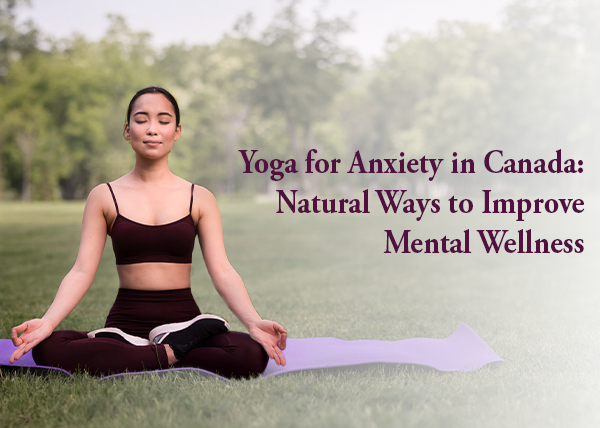
If you’re dealing with anxiety and looking for natural ways to find peace, yoga for anxiety might be exactly what you need. Mental wellness has become a priority for many Canadians, and yoga offers a gentle yet powerful approach to managing stress and anxiety symptoms.
Understanding Anxiety and Its Impact
Anxiety affects millions of Canadians daily, creating feelings of worry, restlessness, and fear that can interfere with work, relationships, and overall quality of life. Unlike temporary stress, anxiety often persists and can make even simple tasks feel overwhelming.
The physical symptoms of anxiety include:
- Rapid heartbeat
- Sweating and trembling
- Muscle tension
- Shallow breathing
- Sleep difficulties
- Digestive issues
Mental symptoms often include racing thoughts, constant worry, difficulty concentrating, and feelings of dread. These symptoms can feed off each other, creating a cycle that feels difficult to break.
Traditional treatments for anxiety include therapy and medication, but many people are seeking complementary approaches. This is where yoga for anxiety becomes valuable, offering tools that address both the physical and mental aspects of anxiety.
How Yoga Helps Reduce Anxiety?
Yoga works on multiple levels to calm anxiety. The practice combines physical movement, breathing exercises, and mindfulness, creating a complete approach to mental wellness.
Physical Benefits
When you practice yoga, your body releases tension stored in muscles. Anxiety often causes us to hold stress in our shoulders, jaw, and back. Gentle yoga poses help release this tension, sending signals to your brain that it’s safe to relax.
Regular yoga practice also helps regulate your nervous system. The slow, controlled movements activate your parasympathetic nervous system, which is responsible for the “rest and digest” response. This counters the “fight or flight” response that anxiety triggers.
Mental Benefits
The mindfulness aspect of yoga teaches you to observe your thoughts without judgment. Instead of getting caught up in anxious thinking patterns, you learn to notice them and let them pass. This skill becomes incredibly valuable in daily life.
Yoga also improves focus and concentration. When you’re holding a pose or focusing on your breath, your mind has less space for anxious thoughts. Over time, this builds your ability to stay present rather than worrying about the future.
Emotional Benefits
Many people find that yoga helps them process emotions in a healthy way. The practice creates a safe space to feel whatever comes up, whether that’s sadness, anger, or fear. This emotional processing can reduce the intensity of anxiety over time.
Best Yoga Styles for Anxiety Relief
Not all yoga styles are equally effective for anxiety. Some fast-paced styles might actually increase anxiety for some people. Here are the most helpful approaches:
Hatha Yoga
Hatha yoga sessions are perfect for anxiety relief. This gentle style focuses on basic poses held for several breaths. The slow pace allows you to really focus on your body and breath, making it ideal for beginners or anyone feeling overwhelmed.
Hatha yoga teaches you to move slowly and deliberately. This mindful movement helps break the rushed, scattered feeling that often accompanies anxiety. The poses are usually simple, so you don’t need to worry about complex sequences.
Multi-Dimensional Yoga
Multi-dimensional yoga combines different aspects of yoga practice, including physical poses, breathing techniques, meditation, and philosophy. This comprehensive approach addresses anxiety from multiple angles.
This style recognizes that anxiety affects your whole being, not just your mind. By working with your body, breath, thoughts, and spirit, you develop a complete toolkit for managing anxiety.
Prenatal Yoga for Expecting Mothers
Pregnancy can bring unique anxiety challenges. Prenatal yoga in Canada offers specialized support for expecting mothers dealing with anxiety about childbirth, parenting, or body changes.
The 7-day prenatal yoga and meditation retreat provides focused support during this important time. Prenatal yoga modifications ensure safety while still providing anxiety relief benefits.
Breathing Techniques for Instant Calm
Breathing exercises are one of the most immediate tools yoga for anxiety offers. When anxiety strikes, your breath becomes shallow and fast. Conscious breathing helps reset your nervous system quickly.
Three-Part Breath (Dirga Pranayama)
This foundational breathing technique helps calm anxiety by slowing down your breath and engaging your full lung capacity:
- Place one hand on your chest, one on your belly
- Breathe slowly into your belly, feeling it expand
- Continue breathing into your ribs, feeling them widen
- Finally, breathe into your upper chest
- Exhale slowly, reversing the process
Practice this for 5-10 breaths whenever you feel anxiety rising.
4-7-8 Breathing
This technique is particularly effective for anxiety because it forces you to slow down your exhale, which activates your relaxation response:
- Exhale completely through your mouth
- Close your mouth and inhale through your nose for 4 counts
- Hold your breath for 7 counts
- Exhale through your mouth for 8 counts
Repeat this cycle 3-4 times. The longer exhale tells your nervous system it’s safe to relax.
Box Breathing
Box breathing creates a steady rhythm that helps calm racing thoughts:
- Inhale for 4 counts
- Hold for 4 counts
- Exhale for 4 counts
- Hold empty for 4 counts
You can adjust the count to what feels comfortable, but keep all four sides equal.
Creating Your Daily Yoga Practice
Consistency matters more than duration when using yoga for anxiety. A short daily practice will be more beneficial than occasional long sessions.
Morning Routine (10-15 minutes)
Starting your day with yoga sets a calm tone:
- 2-3 minutes of breathing exercises
- 5-7 simple poses like child’s pose, cat-cow, and forward fold
- 2-3 minutes of seated meditation
This routine helps you approach your day from a centered place rather than jumping straight into busyness.
Evening Wind-Down (15-20 minutes)
Evening practice helps process the day’s stress:
- Gentle twists to release tension
- Hip openers to let go of stored emotions
- Legs up the wall pose for nervous system reset
- 5-10 minutes of relaxation or meditation
Workplace Mini-Practices
You don’t need a yoga mat to benefit from yoga techniques:
- Desk stretches for neck and shoulders
- Breathing exercises during breaks
- Mindful walking between meetings
- Quick meditation apps during lunch
Online Yoga Options in Canada
Online yoga classes have made yoga more accessible than ever, especially important during times when leaving home feels challenging due to anxiety.
Benefits of Online Practice
Online yoga removes many barriers that might prevent you from starting:
- Practice from home where you feel safe
- No travel time or traffic stress
- Choose from multiple class times
- Replay classes as needed
- More affordable than studio memberships
Getting Started Online
The 30-day beginner holistic yoga flow workshop offers structured introduction to yoga practice. This program provides:
- Daily guidance to build your practice gradually
- Live instruction with personal attention
- Community support from other participants
- Comprehensive introduction to yoga philosophy
Creating Your Home Practice Space
You don’t need much space for yoga for anxiety:
- Choose a quiet corner where you won’t be disturbed
- Use a yoga mat or towel for cushioning
- Have props like pillows or blankets nearby
- Keep your phone on airplane mode during practice
Building Long-term Mental Wellness
While yoga provides immediate anxiety relief, its greatest benefits come from regular practice over time. Think of yoga as building resilience rather than just managing symptoms.
Physical Resilience
Regular yoga practice strengthens your body’s ability to handle stress. Your nervous system becomes less reactive, and you recover more quickly from stressful situations. Your body also learns to hold less tension, reducing the physical symptoms of anxiety.
Mental Resilience
The mindfulness skills you develop in yoga transfer to daily life. You become better at noticing anxious thoughts early, before they spiral. You also develop confidence in your ability to calm yourself, which reduces anxiety about having anxiety.
Emotional Resilience
Yoga teaches you that emotions are temporary. By observing your feelings during practice, you learn that even uncomfortable emotions will pass. This reduces the fear of difficult emotions that often fuels anxiety.
Community and Support
Many people find that yoga communities provide valuable support for mental health. Whether online or in-person, connecting with others who understand the journey can reduce feelings of isolation that often accompany anxiety.
Canada Yoga Studio offers various community options, from online classes where you can interact with other students to specialized workshops that bring people together around common goals.
Integration with Other Treatments
Yoga for anxiety works well alongside other treatments. Many therapists encourage yoga practice because it reinforces skills learned in therapy. The body awareness developed through yoga can also help you notice early signs of anxiety and respond quickly.
If you’re taking medication for anxiety, yoga can help with side effects like fatigue or emotional numbness. Always work with your healthcare provider to ensure yoga complements your overall treatment plan.
Measuring Progress
Progress with anxiety isn’t always linear. Some days will feel harder than others, and that’s normal. Instead of focusing only on how anxious you feel, notice other changes:
- Are you sleeping better?
- Do you recover more quickly from stressful situations?
- Are you more aware of your breathing throughout the day?
- Do you feel more comfortable in your body?
These subtle changes often indicate that yoga is working, even when anxiety levels fluctuate.
Yoga for anxiety offers a natural, accessible way to support your mental wellness journey. Whether you’re just starting to explore anxiety management or looking to add tools to your existing practice, yoga provides both immediate relief and long-term resilience building. The combination of movement, breathing, and mindfulness addresses anxiety on multiple levels, helping you develop skills that serve you both on and off the mat.
Ready to take the next step in your wellness journey? Book your free consultation today and let our experienced team help you find the right program for your goals.
Book Your Free Consultation